
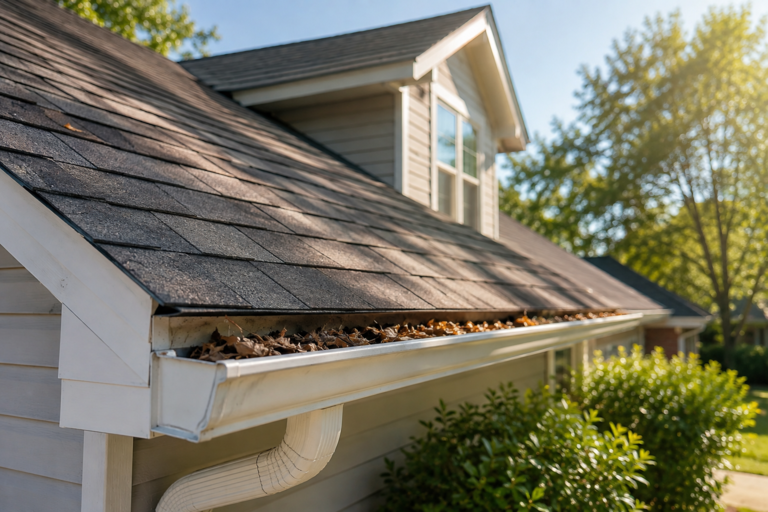
A roof does a lot of work every day, protecting your home from rain, wind, heat, snow, and changing weather. Small problems can become larger issues when they are ignored, but regular inspections and simple upkeep can help you catch concerns sooner. Energy Advantage Roofing & Solar recommends treating roof care as an ongoing part of home maintenance rather than waiting until a visible problem appears.
Why Regular Roof Care Matters
Your roof may look fine from the ground while small issues are developing above it. Regular roof maintenance gives you an opportunity to notice damaged materials, blocked drainage, loose flashing, and other warning signs before they create bigger problems.
Good maintenance does not mean climbing onto the roof every few weeks. Many useful checks can be done safely from the ground, while more detailed inspections can be handled by a qualified professional.
Regular checks can help identify minor problems before they spread.
Clean drainage areas help water move away from the roof properly.
Prompt attention can reduce the chance of moisture reaching interior spaces.
Routine care can help preserve roofing materials for longer.
The goal is simple: keep your roof dry, secure, clean, and able to move water away from your home.
What To Check From The Ground
A ground-level inspection is one of the easiest ways to begin your roof maintenance routine. Walk around your property and look carefully at the roofline, gutters, downspouts, and areas around vents or chimneys.
You do not need special equipment to notice many common warning signs. Binoculars can also help you get a closer look without climbing onto the roof.
Look for missing, cracked, curled, or visibly damaged shingles.
Check whether the roofline appears straight rather than sagging.
Watch for dark areas that could indicate moisture or material deterioration.
Look around gutters and downspouts for roofing material or excessive debris.
Check exterior walls and ceilings inside the home for signs of water intrusion.
If something looks unusual, take a photo from a safe location and arrange for a closer inspection rather than attempting a risky repair yourself.
How To Inspect Roof Materials
Roof materials naturally experience wear from sunlight, rain, wind, temperature changes, and falling debris. Over time, these conditions can affect shingles, flashing, vents, seals, and other parts of the roofing system.
A careful inspection can help you understand whether a problem is isolated or whether several areas are showing signs of aging.
Look for shingles that are cracked, broken, loose, or missing.
Check flashing around chimneys, vents, skylights, and roof edges.
Notice areas where roofing material appears raised or uneven.
Look for excessive granules collecting in gutters.
Pay attention to exposed fasteners or damaged seals.
If you notice several problems at once, it may be worth having the entire roof evaluated instead of addressing only the most obvious issue.
Ways To Keep Your Roof Clear
Leaves, branches, dirt, and other debris can collect on a roof and interfere with proper drainage. Debris can also hold moisture against roofing materials, which may contribute to deterioration over time.
Trees near the home deserve special attention because branches can scrape against the roof or drop leaves onto it. Keeping nearby vegetation under control can reduce unnecessary stress on the roofing system.
Remove loose branches that could fall onto the roof.
Keep gutters and downspouts free of leaves and debris.
Avoid allowing piles of organic material to remain on roof surfaces.
Trim branches that repeatedly rub against roofing materials.
Check valleys and drainage areas for accumulated debris.
Never walk on a roof simply to remove debris if you are not trained to do so. A professional can handle difficult or elevated areas more safely.
How To Protect Your Roof From Water
Water is one of the biggest concerns for any roofing system. A roof is designed to shed water, but blocked drainage, damaged flashing, worn seals, and small openings can interfere with that process.
After heavy rain, look around your home for signs that water is not moving away as it should. Pay particular attention to gutters, downspouts, roof valleys, and areas around penetrations.
Make sure downspouts direct water away from the home's foundation.
Check gutters for standing water or sections that appear to sag.
Look for water stains on ceilings and upper walls.
Inspect flashing around roof penetrations for visible damage.
Address leaks quickly instead of waiting for them to become obvious.
Even a small leak can allow moisture to travel beneath roofing materials and into areas that are difficult to see.
When To Schedule Professional Help
Some maintenance tasks are simple, but roofing is still a specialized area of home care. If you see damage that you cannot safely evaluate, professional assistance can help determine what needs attention.
Professional inspections can be especially useful when a roof is difficult to access, has visible damage, or has experienced severe weather.
For example, homeowners dealing with residential roof repair may need an inspection to determine whether a localized problem can be repaired or whether additional areas are affected.
Schedule an inspection after significant weather damage.
Ask for professional help when you notice persistent leaks.
Have damaged flashing or roof penetrations evaluated.
Consider an inspection when the roof shows widespread wear.
Avoid temporary fixes that leave the underlying problem unresolved.
In Denver, homeowners searching for roof repair in Denver should look for a qualified roofing professional who can evaluate the specific condition of the roof and recommend an appropriate solution.
Seasonal Roof Maintenance Checklist
Different seasons can create different challenges for your roof. A simple seasonal routine makes it easier to notice changes and keep small maintenance tasks from being forgotten.
You can use the changing seasons as reminders to look around your property and check the areas most affected by weather.
Spring: Look for winter damage, debris, loose materials, and drainage problems.
Summer: Check for signs of heat exposure, worn seals, and damaged shingles.
Fall: Clear leaves and prepare gutters and downspouts for heavier rainfall.
Winter: Watch for leaks, ice-related concerns, and damage after severe weather.
The exact maintenance needs of your roof depend on its materials, age, design, and local weather conditions.
Common Roof Maintenance Mistakes
Good intentions can sometimes lead to avoidable roofing problems. One common mistake is assuming that a roof only needs attention when it leaks.
Another is attempting repairs without understanding how roofing systems work. Walking on certain roofing materials can cause damage, while incorrect repairs can allow water to enter hidden areas.
Do not ignore small leaks because they appear manageable.
Do not pressure-wash roofing materials unless the manufacturer permits it.
Do not use harsh cleaning methods that can damage the roof surface.
Do not cover a problem without finding its source.
Do not assume a roof is fine simply because it looks good from the ground.
A simple maintenance plan is usually more useful than reacting to every issue after it becomes severe.
Simple Habits That Help Your Roof Last
Roof maintenance works best when it becomes part of your normal home-care routine. You do not need to spend hours thinking about your roof every week.
Instead, create a few simple habits that make problems easier to notice. Keep an eye on the roof after storms, clean drainage areas, and respond when something looks different.
Keep trees and branches away from vulnerable roof areas.
Check gutters and downspouts regularly.
Look at ceilings for new water stains.
Keep records of inspections and repairs.
Pay attention to changes in roof appearance.
It is also useful to understand how your roofing material works. If you are considering solar in the future, the condition and material of your roof can be important factors. Learn more in this guide on choosing the right roof material before installing solar in Colorado.
Knowing When Replacement May Be Appropriate
Maintenance can help preserve a roof, but it cannot stop normal aging forever. Eventually, a roofing system may reach a point where repeated repairs are no longer the most practical approach.
Signs of widespread deterioration, recurring leaks, extensive material damage, or an aging roofing system may indicate that a broader evaluation is needed.
For homeowners considering residential roof replacement, a professional assessment can help determine the condition of the existing system and identify the most appropriate next step.
Consider the overall condition rather than one damaged spot.
Look for repeated problems in different areas of the roof.
Ask whether repairs are addressing the cause or only the symptom.
Consider the remaining service life of the existing materials.
Review your options with a qualified roofing professional.
The right decision depends on the roof's condition, construction, materials, and history of repairs.
Give Your Roof The Attention It Deserves
Your roof does not need constant attention, but it does need consistent care. Simple habits such as checking for visible damage, keeping drainage areas clear, watching for leaks, and arranging professional inspections when necessary can make roof problems easier to manage.
The key is to avoid waiting until a small concern becomes a major disruption. A few regular checks can help you understand the condition of your roof and respond when something changes. Energy Advantage Roofing & Solar can help homeowners take a more informed approach to maintaining and protecting their roofing system.
If you have noticed signs of damage or are unsure about the condition of your roof, Contact us today to discuss your roofing needs and determine what type of inspection or service may be appropriate.