
Before You Install Solar in Colorado: Choose the Right Roof Material
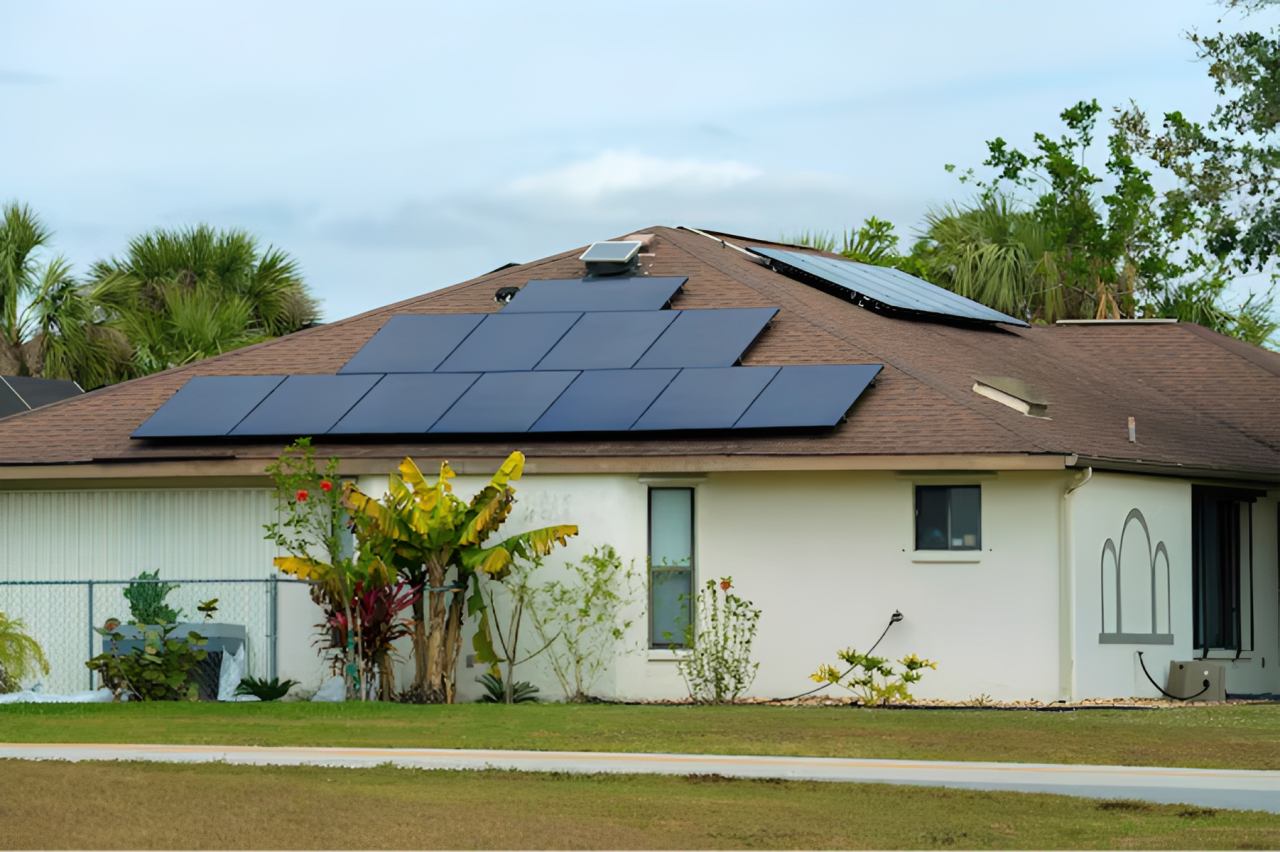
Switching to solar is a smart investment for homeowners in Colorado, but one critical factor often gets overlooked: the type of roof beneath your system. The right roof material can determine how efficient, durable, and cost-effective your setup will be over time. At Energy Advantage Roofing & Solar, homeowners are guided to make informed decisions that align both roofing and energy goals for long-term performance.
Colorado’s climate, with intense sun, snow loads, and temperature swings, makes roof compatibility even more important. Choosing wisely now can save thousands in repairs and ensure your system performs efficiently for decades.
Why Roof Material Matters Before Solar Installation
Your roof is the foundation of your solar system, and its material directly affects installation quality and longevity. Choosing the wrong type can lead to avoidable repairs and inefficiencies over time. Understanding this connection helps you make a more informed decision before moving forward.
Roof material affects how panels are mounted and secured
It influences long-term durability and maintenance costs
Some materials require specialized labor, increasing installation expenses
The wrong choice may lead to leaks, structural damage, or early replacement
Compatibility impacts the overall efficiency of your solar energy roofing system
Matching Roof Lifespan with Solar Panels
Solar panels are built to last for decades, so your roof should be equally durable. Installing a system on a roof that will need replacement soon can result in unnecessary expenses and disruptions. Planning ahead ensures your investment remains protected.
Roofs with less than 10 to 15 years of life remaining should be replaced first
Long-lasting materials reduce the need for future disruptions
Aligning lifespans helps maximize return on investment
Durable roofing minimizes maintenance interruptions
Planning ahead prevents costly mid-life upgrades
Best Roof Materials for Solar in Colorado
Colorado’s unique climate requires roofing materials that can handle heavy snow, strong sunlight, and rapid weather changes. Some materials perform better than others when paired with solar systems. Choosing wisely can improve both durability and efficiency.
Standing Seam Metal Roofing
This roofing option is widely considered the most reliable choice for solar systems. Its structure allows for easier installation while reducing the risk of damage or leaks over time.
Panels can be attached without drilling into the roof surface
Reduced risk of leaks due to non-penetrating clamps
Lifespan can exceed 40 to 70 years
Reflects heat, helping maintain energy efficiency
Excellent for shedding snow in mountainous regions
Asphalt Shingle Roofing
Asphalt shingles are a popular choice due to their affordability and compatibility with most homes. They provide a practical solution for many homeowners considering solar installation.
Cost-effective and widely available
Standard mounting systems attach directly to roof rafters
Suitable for most residential homes
Easy to repair or replace when needed
Works well with experienced solar power installers
Concrete and Clay Tile Roofing
Tile roofs are known for their durability but require extra care during solar installation. Proper handling and expertise are essential to avoid damage and ensure a secure fit.
Highly durable and resistant to weather damage
Requires careful handling during installation
Tiles may need to be temporarily removed
Specialized mounting systems are necessary
Installation costs may be higher due to labor complexity
Key Considerations Before Installing Solar Panels
Before starting your project, it is important to evaluate several factors beyond just the roof material. These considerations ensure your system performs efficiently and remains structurally sound for years.
Roof Condition
The condition of your roof plays a critical role in determining whether it is ready for solar installation. Addressing any existing issues beforehand can prevent costly repairs later.
Inspect for leaks, cracks, or weak spots
Replace aging materials if needed
Ensure proper structural support for added weight
Address ventilation and insulation issues
Prevent future repair complications
Mounting and Waterproofing
Proper mounting techniques protect both your roof and your solar system. Ensuring high-quality installation reduces the risk of leaks and structural issues.
Use high-quality flashing to prevent leaks
Ensure mounts are securely attached to rafters
Avoid shortcuts that compromise waterproofing
Choose experienced solar panel installation professionals
Verify compliance with local building codes
Insulation and Energy Efficiency
A well-insulated roof enhances the performance of your solar system. It helps maintain indoor comfort while reducing overall energy consumption.
Proper insulation reduces heat loss in winter
Helps maintain indoor comfort year-round
Enhances the efficiency of solar energy roofing systems
Works alongside solar battery storage installers to optimize energy use
Reduces strain on heating and cooling systems
How Colorado Climate Impacts Roofing Choices
Colorado’s environment presents unique challenges that influence roofing decisions. Understanding these conditions helps you select materials that will perform well over time.
High UV exposure can degrade weaker materials
Snow accumulation requires strong load-bearing capacity
Temperature fluctuations can cause expansion and contraction
Wind resistance is essential in certain regions
Materials must handle both heat and freezing conditions
The Role of Professional Installation
Working with experienced professionals ensures your solar system is installed correctly and safely. Their expertise helps maximize efficiency and minimize long-term issues.
Experienced solar power installers understand local conditions
Proper installation reduces long-term maintenance
Certified teams follow safety and building regulations
Coordination between roofing and solar teams is essential
Reliable solar battery installers ensure seamless energy storage integration
Internal Resource for Colorado Homeowners
Understanding local rules and requirements is an important part of planning your solar project. Regulations can impact everything from permits to installation timelines. Reviewing trusted resources can help you stay prepared.
Long-Term Benefits of Choosing the Right Roof
Making the right roofing choice before installing solar panels offers lasting advantages. It ensures your system remains efficient and reduces the likelihood of unexpected costs.
Increased system lifespan and performance
Reduced maintenance and repair costs
Improved home value and resale potential
Better energy efficiency and savings
Peace of mind knowing your investment is secure
Conclusion
Choosing the right roof material is one of the most important steps before installing solar in Colorado. From metal roofing to asphalt shingles and tile options, each material offers unique benefits depending on your home’s structure and long-term goals. Careful planning, proper installation, and consideration of climate factors will help you maximize your investment. Energy Advantage Roofing & Solar is dedicated to helping homeowners achieve reliable and efficient solar solutions. If you are ready to move forward, contact us today to get expert guidance tailored to your needs.