
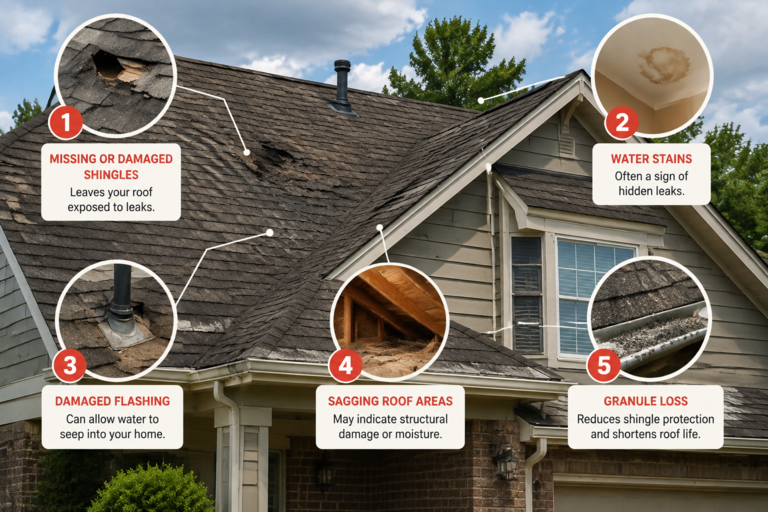
Your roof works every day to protect your home from changing weather conditions, moisture, wind, and sunlight. Over time, even the strongest roofing materials can begin to show signs of wear that should never be ignored. Energy Advantage Roofing & Solar understands how important early detection is for keeping your home safe and avoiding unnecessary roofing problems. Recognizing warning signs before they become serious can help homeowners make informed decisions and maintain a stronger roofing system.
Many roofing concerns begin with small changes that are easy to overlook. Paying attention to these early indicators can help prevent additional damage and support the long-term performance of your roof.
Why Early Roof Problems Should Never Be Ignored
Roofing issues rarely appear overnight. Small concerns often develop gradually before becoming noticeable inside or outside the home. A missing shingle, loose flashing, or minor moisture intrusion may seem insignificant at first, but continued exposure to changing weather can make these problems worse.
Regular inspections allow homeowners to identify developing concerns before they affect larger portions of the roofing system. Taking action early often results in simpler solutions and helps maintain the overall condition of the roof.
Understanding how roofing problems progress makes it easier to recognize when professional attention is needed.
Reasons to address roof concerns early include:
Prevent minor damage from spreading further.
Protect the home's structural components.
Reduce the risk of interior moisture problems.
Maintain the performance of roofing materials.
Improve long-term roof reliability.
Increase confidence during severe weather.
Missing Or Damaged Shingles Are A Clear Warning Sign
Shingles provide the first layer of protection against rain, wind, sunlight, and other outdoor conditions. When shingles become cracked, curled, loose, or completely missing, the roof becomes more vulnerable to moisture intrusion and additional weather-related damage.
Storms, aging materials, and strong winds are common causes of shingle damage. Even if only a few shingles appear affected, the surrounding roofing materials may also require evaluation.
Routine visual inspections from the ground can help homeowners notice obvious changes, but professional inspections provide a much more detailed assessment.
Signs of shingle damage include:
Curled or lifted roofing shingles.
Missing shingles after severe weather.
Cracked or broken roofing materials.
Bare spots where protective granules are missing.
Uneven roof surfaces.
Roofing debris around the property.
Water Stains Often Indicate Hidden Roofing Problems
Water stains on ceilings or walls are among the most common signs that a roof may require attention. Moisture entering through small openings can travel before becoming visible inside the home, making the source difficult to identify without a thorough inspection.
Even small stains deserve attention because they may indicate ongoing water intrusion. Over time, moisture can affect insulation, drywall, wood framing, and other important structural components.
If you notice changes inside your home, scheduling a professional evaluation can help determine whether roof damage is the cause. Homeowners considering future improvements with solar power installers should also ensure their roofing system is in good condition before adding new equipment.
Moisture warning signs include:
Ceiling discoloration after rainfall.
Damp attic insulation.
Peeling interior paint.
Mold or mildew growth near ceilings.
Persistent musty odors indoors.
Water dripping during storms.
Damaged Flashing Can Leave Your Roof Vulnerable
Flashing protects the areas where different roofing components meet, including chimneys, skylights, vents, and roof valleys. Because these locations experience frequent exposure to moisture, damaged flashing can create entry points for water even when the surrounding shingles appear to be in good condition.
Flashing may loosen, crack, or deteriorate as roofing materials age or after severe weather events. Regular inspections help identify these problems before moisture enters the home.
Maintaining flashing is an important part of preserving the overall integrity of your roofing system. For additional guidance about roofing projects involving solar systems, read our helpful guide: When Should You Schedule Solar Panel Removal and Reinstallation During Roof Work?
Common flashing concerns include:
Loose metal around roof openings.
Visible gaps near chimneys.
Cracked flashing materials.
Rust or corrosion on exposed metal.
Water collecting around roof penetrations.
Deteriorating sealant around flashing.
Sagging Roof Areas Require Immediate Evaluation
A roof should maintain a consistent shape across its entire surface. If certain sections begin to sag or appear uneven, it may indicate an underlying structural concern that requires prompt attention.
Sagging can result from prolonged moisture exposure, aging materials, or weakened structural supports. While the cause varies from one home to another, visible changes in the roof's shape should never be ignored.
Homeowners seeking dependable roofing and solar service should work with experienced professionals who can evaluate both the roofing system and any connected energy equipment.
Signs of structural concerns include:
Noticeable dips in roof sections.
Uneven roof lines.
Interior ceiling changes.
Persistent moisture around structural areas.
Visible movement in roofing components.
Changes that become more noticeable over time.
Granule Loss Can Shorten The Life Of Your Roof
Roofing granules help protect shingles from sunlight, moisture, and everyday weather exposure. As shingles age, some granule loss is normal, but excessive amounts may indicate that your roof is becoming more vulnerable to damage.
Homeowners often notice granules collecting in gutters or near downspouts after storms. While this may seem like a small issue, it can reduce the protective layer that helps shingles perform effectively. Regular inspections help determine whether the amount of granule loss is within a normal range or requires professional attention.
Watching for gradual changes allows homeowners to identify roofing concerns before they become more serious.
Common signs of granule loss include:
Granules collecting in gutters after rainfall.
Bare patches on roofing shingles.
Uneven coloring across roof surfaces.
Increased weather exposure on shingles.
Faster aging of roofing materials.
Reduced protection against outdoor elements.
Professional Roof Inspections Help Prevent Bigger Problems
Many roofing concerns develop in areas that are difficult to inspect safely from the ground. Professional inspections provide a detailed evaluation of shingles, flashing, ventilation, and other important roofing components that homeowners may not easily access.
An experienced inspection can identify small issues before they become larger structural concerns. It also provides valuable information that helps homeowners plan future maintenance and protect the overall condition of their roof.
If you are planning a solar panel installation, scheduling a roof inspection beforehand helps ensure the roofing system is in suitable condition to support your long-term investment.
Benefits of professional inspections include:
Detect hidden roofing damage early.
Evaluate the overall condition of roofing materials.
Identify moisture intrusion before interior damage develops.
Support long-term maintenance planning.
Improve confidence in roof performance.
Help extend the service life of the roofing system.
Choosing The Right Roofing Professionals Matters
Finding the right roofing company is an important step in protecting your home. Experienced professionals understand how weather, aging materials, and previous repairs can affect the condition of a roof. They also provide clear recommendations based on a complete evaluation rather than visible damage alone.
Homeowners should look for companies with a strong reputation, quality workmanship, and experience handling a variety of roofing systems. Choosing trusted professionals supports better long-term results and greater peace of mind.
Many homeowners begin their search by looking for the best affordable roofers, but quality, experience, and reliable service should always be key factors when selecting a roofing contractor.
Qualities to consider include:
Experience with residential roofing systems.
Thorough roof inspection procedures.
Clear communication throughout the project.
Knowledge of different roofing materials.
Commitment to quality workmanship.
Strong customer satisfaction and reliability.
Protect Your Roof Before Small Problems Grow
Your roof is one of the most important parts of your home, and recognizing early warning signs can make a significant difference in its long-term performance. Whether you notice damaged shingles, water stains, sagging areas, or granule loss, taking action promptly helps reduce the risk of more extensive damage.
Regular inspections and preventive maintenance allow homeowners to stay ahead of roofing concerns while protecting the comfort and safety of their homes. Energy Advantage Roofing & Solar is dedicated to helping homeowners identify roofing issues early and maintain dependable protection through every season. Contact us today to schedule a professional roof inspection, learn more about your roofing options, and take the first step toward protecting your home before small concerns become larger roofing problems.