
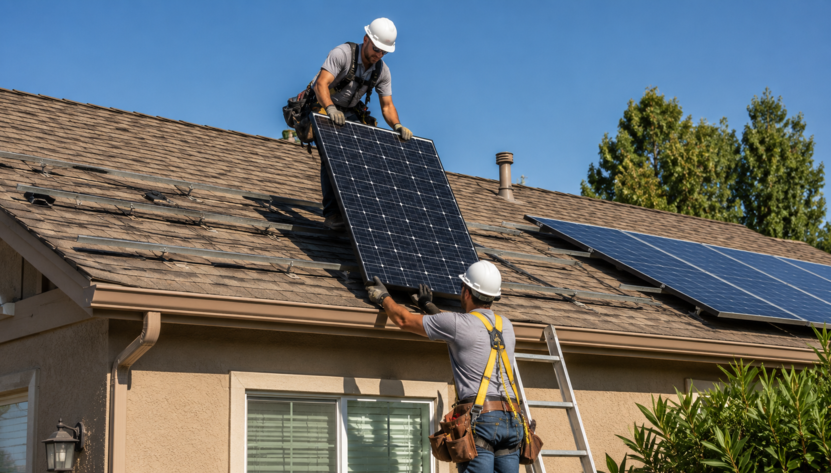
Your roof and solar system work together to protect your home and provide reliable energy. When roofing repairs or replacement become necessary, homeowners often wonder what should happen to their solar panels. Proper planning helps prevent unnecessary delays, protects valuable equipment, and keeps the project moving efficiently. Energy Advantage Roofing and Solar understands the importance of coordinating roofing work with solar systems to ensure both are handled safely and professionally.
Knowing when to remove and reinstall solar panels allows homeowners to avoid unnecessary risks while helping both the roofing and solar projects progress smoothly. Careful scheduling also protects your investment and supports the long-term performance of your entire solar energy system.
Why Proper Timing Matters Before Roof Work Begins
Removing solar panels is not something that should happen at the last minute. Planning ahead allows roofing professionals and solar specialists to coordinate schedules, inspect the system, and prepare for safe removal.
When timing is carefully organised, the entire project becomes more efficient and helps minimise unnecessary interruptions.
Proper planning provides several benefits:
Prevent unnecessary project delays.
Protect valuable solar equipment.
Improve overall work coordination.
Support safe installation practices.
Reduce scheduling complications.
Understanding Why Solar Panels Need To Be Removed
Many roofing projects require clear access to the roof surface. Leaving panels installed during major roofing work can make repairs difficult while increasing the risk of accidental damage.
Temporary removal allows roofing crews to complete their work safely before the solar system is professionally reinstalled.
Common reasons include:
Roof replacement projects.
Structural roof repairs.
Flashing replacement work.
Roof decking improvements.
Storm damage restoration.
Schedule An Inspection Before Any Work Begins
The first step is arranging a professional inspection before scheduling roofing activities. This allows experts to evaluate both the roof and the existing solar system.
The inspection helps identify any concerns that may affect removal, storage, or reinstallation while allowing enough time to prepare properly.
If your project requires solar detach and reset, early planning helps both roofing and solar professionals coordinate the safest and most efficient schedule.
Inspection priorities include:
Review roof condition.
Examine panel mounting.
Check electrical connections.
Assess equipment accessibility.
Plan removal sequence.
Coordinate Roofing And Solar Professionals
Successful projects rely on communication between everyone involved. Roofing contractors and solar specialists should work together to establish a schedule that keeps every stage organised.
Good communication helps reduce downtime while ensuring each team understands when their work begins and ends.
For more information about protecting your solar investment during roofing projects, read our guide on solar detach and reset during roof work.
Helpful coordination steps include:
Confirm project timeline.
Schedule removal dates.
Plan roofing completion.
Arrange reinstallation timing.
Review inspection requirements.
Safe Removal Protects Valuable Equipment
Solar panels contain sensitive electrical components that require careful handling. Professional removal helps reduce the risk of damage while preserving system performance.
Each component should be labelled, disconnected correctly, and stored securely until roofing work has been completed.
Professional solar power installers understand the proper procedures for handling solar equipment throughout the removal process.
Safe removal practices include:
Disconnect electrical systems carefully.
Label wiring accurately.
Protect mounting hardware.
Store panels securely.
Prevent unnecessary handling.
Roof Work Should Be Fully Completed First
Reinstalling panels before roofing work has been fully completed can create unnecessary complications. Waiting until inspections are finished helps ensure the roof is ready for long-term solar performance.
Completing roofing work first also reduces the chance that panels will need to be removed again shortly afterwards.
Roof completion includes:
Finish structural repairs.
Complete roofing installation.
Verify flashing quality.
Pass required inspections.
Confirm roof readiness.
Reinstall Panels With Care And Precision
Once roofing work has been completed successfully, solar panels can be professionally reinstalled. Proper positioning and secure mounting help restore the system's efficiency and long-term reliability.
Every connection should be inspected before the system returns to operation.
Professional reinstallation includes:
Reinstall mounting hardware.
Secure solar panels.
Reconnect electrical components.
Verify alignment.
Complete performance testing.
Final Testing Ensures Everything Works Properly
After reinstallation, the system should undergo comprehensive testing to confirm every component operates safely and efficiently.
Testing helps identify any issues before the system resumes regular energy production.
Homeowners seeking detach and reset solar services should always ensure complete system testing is included after reinstallation.
Testing procedures include:
Verify electrical output.
Inspect wiring connections.
Test monitoring systems.
Confirm inverter operation.
Complete safety inspections.
Continue Regular Maintenance Afterwards
Once the project has been completed, regular maintenance helps preserve the performance of both your roof and solar system. Routine inspections allow homeowners to identify developing issues before they become major concerns.
Preventive maintenance supports reliable operation throughout the system's lifespan.
Maintenance recommendations include:
Schedule annual inspections.
Monitor energy production.
Keep panels clean.
Inspect roof condition.
Address concerns promptly.
Planning Ahead Creates Better Results
Every roofing project involving solar panels benefits from thoughtful preparation and professional coordination. Scheduling removal and reinstallation at the right time protects your investment while helping both projects progress efficiently.
Understanding the process also gives homeowners greater confidence throughout every stage of the project.
Benefits of early planning include:
Better project organisation.
Improved equipment protection.
Smoother scheduling.
Reduced unexpected delays.
Greater long-term reliability.
Protect Your Roof And Solar Investment With Smart Planning
Scheduling solar panel removal and reinstallation at the right time helps protect your roofing investment while ensuring your solar system continues performing efficiently for years to come. Careful coordination, professional handling, and thorough inspections all contribute to a successful outcome. Planning reduces unnecessary complications and allows every stage of the project to move forward with confidence.
Energy Advantage Roofing and Solar is committed to helping homeowners protect both their roofing systems and solar investments through professional guidance and dependable service. Contact us today to discuss your upcoming roofing project, learn about safe solar panel removal and reinstallation, and ensure every step is completed with care and expertise.