
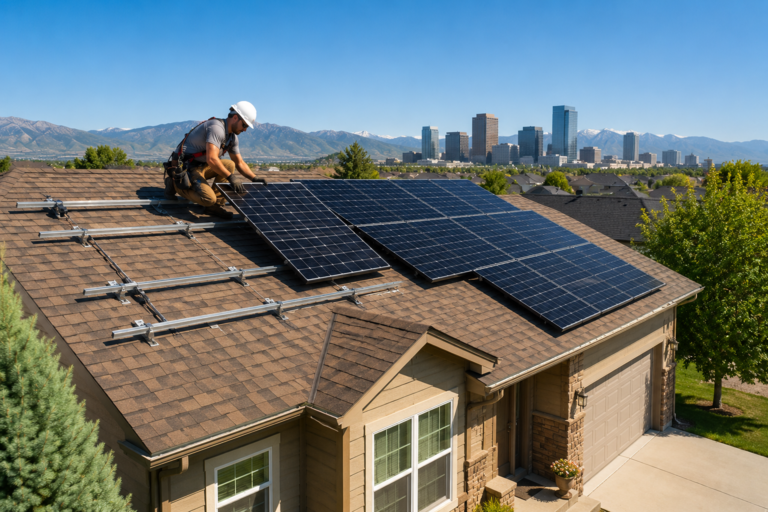
Switching to solar energy is one of the smartest long-term investments homeowners can make. A professionally planned solar system can improve energy efficiency, reduce dependence on traditional electricity sources, and increase property value. While the process may seem complicated at first, understanding each stage makes the experience much easier. Energy Advantage Roofing and Solar helps homeowners navigate every step with confidence, ensuring the installation process is smooth, organised, and tailored to each property's unique needs.
Whether you are considering solar for environmental benefits or long-term energy savings, knowing what happens before, during, and after installation helps you make informed decisions. This guide explains every major stage so you know exactly what to expect from start to finish.
Why Planning Is The Foundation Of Every Solar Project
Every successful solar installation begins with careful planning rather than simply placing panels on a roof. Proper preparation helps determine whether your home is suitable for solar while ensuring the system performs efficiently for years to come.
During the planning stage, professionals evaluate several important factors, including roof condition, sunlight exposure, electrical systems, and household energy usage. These early assessments help create a customised solution that matches your home's needs.
Planning includes:
Evaluate roof condition carefully.
Review household energy consumption.
Analyse available sunlight exposure.
Identify shading from nearby objects.
Discuss homeowner energy goals.
Understanding The Initial Property Assessment
Before installation begins, your property undergoes a detailed inspection. This assessment ensures the roof can safely support the solar system while identifying any issues that should be addressed beforehand.
The inspection also helps determine the ideal panel placement for maximum sunlight throughout the year. Every home has different conditions, making this step essential for long-term performance.
The assessment usually involves:
Inspect structural roof integrity.
Examine electrical infrastructure.
Measure roof dimensions.
Evaluate roof orientation.
Identify possible installation challenges.
Permits And Approval Process
Installing solar panels often requires permits and approvals before work begins. Although paperwork may seem time-consuming, these requirements help ensure installations meet local safety and building standards.
Professional installers typically manage much of the approval process, allowing homeowners to focus on preparing for the upcoming installation.
Working with experienced solar installers in Denver can make navigating permit requirements much simpler because they understand local regulations and inspection procedures.
Important approval steps include:
Submit required documentation.
Obtain building approvals.
Schedule necessary inspections.
Coordinate utility requirements.
Confirm installation readiness.
Choosing The Right Solar Equipment
Every solar system consists of several components that work together to generate clean electricity. Selecting quality equipment contributes to efficiency, durability, and long-term reliability.
Professionals recommend equipment based on your home's energy needs, roof layout, and future plans. Understanding the available options helps homeowners make confident decisions.
For homeowners wanting to keep their systems operating efficiently for years, read our guide on solar panel maintenance for long-term energy savings.
Equipment considerations include:
Panel efficiency ratings.
Inverter compatibility.
Mounting system quality.
Warranty coverage.
Future expansion options.
Preparing Your Home Before Installation
Once approvals are complete and equipment has been selected, preparation begins before installation day arrives. This stage helps ensure everything proceeds efficiently without unnecessary delays.
Homeowners may receive guidance regarding property access, scheduling, and temporary adjustments that support a safe working environment.
Preparation may involve:
Clear work areas safely.
Protect outdoor landscaping.
Confirm installation schedule.
Ensure electrical access.
Communicate project expectations.
What Happens During Installation
Installation day is often quicker than many homeowners expect. Professional crews follow a structured process designed to maintain safety while completing each stage with precision.
Every component is installed according to approved plans, with careful attention given to structural support and electrical connections.
If your project also includes backup power, experienced solar battery installers can integrate battery storage into the overall system design for greater energy flexibility.
Installation activities include:
Secure roof mounting hardware.
Install solar panels.
Connect electrical wiring.
Mount inverter equipment.
Complete system inspections.
Electrical Connections And Safety Testing
After physical installation is complete, technicians perform detailed electrical work and system testing. These inspections confirm every component operates correctly before activation.
Safety remains the highest priority throughout this stage. Thorough testing helps ensure reliable performance and compliance with applicable standards.
Testing includes:
Verify electrical connections.
Inspect safety equipment.
Confirm inverter operation.
Test monitoring systems.
Complete final quality checks.
Utility Connection And System Activation
Once inspections have been completed successfully, the system moves toward final approval and activation. Utility providers may conduct additional reviews before allowing the system to begin producing electricity.
Although waiting for final approval requires patience, this step ensures the installation meets all required standards.
Homeowners can expect:
Utility inspection scheduling.
Final approval process.
Meter updates if required.
System activation.
Monitoring setup guidance.
Monitoring Performance After Installation
Modern solar systems often include monitoring tools that allow homeowners to track energy production and system performance. Monitoring helps identify unusual activity while providing valuable information about daily energy generation.
Routine monitoring supports long-term efficiency and allows homeowners to better understand how their system performs throughout different seasons.
Homeowners working with experienced solar energy installers often receive guidance on using monitoring platforms to maximise system performance.
Monitoring benefits include:
Track energy production.
Identify performance changes.
Monitor system efficiency.
Review energy usage.
Support maintenance planning.
Maintaining Your Solar System For Long-Term Success
Although solar panels require relatively little maintenance, occasional inspections and cleaning help maintain peak performance. Preventive care allows homeowners to enjoy reliable energy production for many years.
Following recommended maintenance practices also helps identify small issues before they affect system efficiency.
Helpful maintenance habits include:
Inspect panels regularly.
Remove accumulated debris.
Monitor surrounding vegetation.
Schedule professional inspections.
Review monitoring reports.
Enjoy A Smoother Solar Journey With Proper Planning
Installing a solar energy system is a significant home improvement that delivers long-term benefits when approached with careful planning. Understanding each phase of the process helps homeowners feel confident from the first consultation through final activation. Every step contributes to creating a safe, efficient, and reliable renewable energy system.
Energy Advantage Roofing and Solar is dedicated to helping homeowners experience a seamless installation process backed by professional guidance and quality workmanship. Contact us today to learn more about your solar options, schedule a consultation, and begin your journey toward cleaner, more efficient energy for your home.