
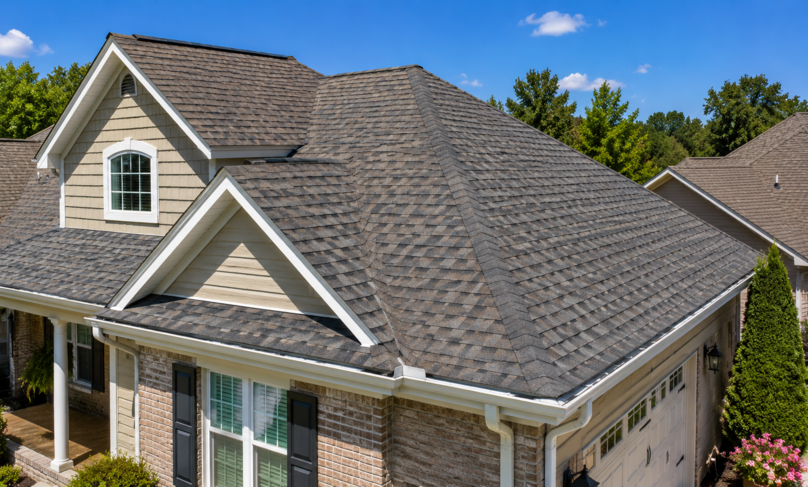
Your roof is one of the most important parts of your home, yet it is also one of the most misunderstood. Many homeowners make decisions based on outdated advice or common misconceptions, which can eventually lead to unnecessary repairs and avoidable damage. Energy Advantage Roofing and Solar believes that understanding the truth behind common roofing myths helps homeowners make informed decisions that protect both their property and their investment.
Knowing the facts before making roofing decisions can save time, reduce stress, and help you recognise problems before they become more serious. Let's separate fact from fiction and explore the roofing myths every homeowner should stop believing.
Why Roofing Misconceptions Matter
Many roofing myths have been passed from one homeowner to another for years. Unfortunately, not every piece of advice is accurate. Believing incorrect information may result in delayed maintenance, poor material choices, or unnecessary repairs.
The more you understand about your roof, the easier it becomes to maintain its condition and extend its lifespan. A little knowledge today can prevent major headaches tomorrow.
Important reasons to learn the facts include:
Prevent avoidable roof damage.
Make informed maintenance decisions.
Improve long-term roof performance.
Protect your home's structural integrity.
Reduce unexpected repair issues.
Myth One: A Roof Only Needs Attention When It Leaks
Many homeowners assume that if water is not entering the house, the roof must be in excellent condition. Unfortunately, roof damage often begins long before visible leaks appear.
Regular inspections can identify loose materials, damaged flashing, or worn areas before moisture enters your home. Early detection usually leads to simpler maintenance and better long-term performance.
Helpful reminders include:
Small issues grow over time.
Hidden damage often develops quietly.
Routine inspections improve roof longevity.
Exterior wear deserves attention.
Preventive maintenance supports long-term protection.
Myth Two: Every Roofing Material Performs The Same
Different roofing materials provide different levels of durability, maintenance, appearance, and weather resistance. Selecting the right option depends on your home's location, climate, and personal preferences.
Learning about available materials helps homeowners choose solutions that suit both their needs and long-term expectations.
If your property eventually requires a residential roof replacement, understanding material options beforehand can make future decisions much easier.
Things to compare include:
Weather resistance.
Maintenance requirements.
Expected durability.
Visual appearance.
Energy efficiency.
Myth Three: Minor Damage Can Always Wait
Small roofing issues often appear harmless, but they rarely stay that way. Missing shingles, damaged flashing, or clogged drainage systems can gradually create larger problems if ignored.
Addressing concerns promptly helps preserve the roof's overall condition and reduces the chance of more extensive repairs later.
For additional guidance before choosing a roofing professional, read our helpful guide on questions to ask before hiring a residential roofing contractor.
Simple preventive actions include:
Inspect after severe weather.
Watch for loose materials.
Clear roof debris safely.
Check gutters regularly.
Schedule professional evaluations.
Myth Four: Roof Repairs Always Mean Full Replacement
Many homeowners worry that every roofing problem automatically requires replacing the entire roof. In reality, many situations can be resolved through targeted repairs when addressed early.
Understanding the actual condition of the roof allows professionals to recommend appropriate solutions based on inspection findings rather than assumptions.
When searching for affordable roof repair, choosing experienced professionals helps ensure repairs address the real issue instead of unnecessary work.
Helpful considerations include:
Damage location matters.
Roof age influences recommendations.
Material condition affects repair options.
Professional inspections provide clarity.
Early action improves outcomes.
Myth Five: New Roofs Never Need Maintenance
Installing a new roof does not eliminate the need for regular care. Even newly installed roofing systems benefit from periodic inspections and routine maintenance.
Environmental conditions, storms, debris, and seasonal weather changes can all affect roofing performance over time.
Maintenance habits include:
Clean gutters seasonally.
Inspect flashing periodically.
Remove accumulated debris.
Monitor surrounding trees.
Review roof condition annually.
Weather Has Less Impact Than People Think
Roofs experience constant exposure to changing weather conditions throughout the year. Sunlight, heavy rain, wind, snow, and temperature fluctuations all contribute to natural ageing.
Understanding local climate conditions helps homeowners prepare for seasonal maintenance and protect roofing materials more effectively.
Useful weather-related practices include:
Inspect after storms.
Watch for lifted materials.
Trim nearby branches.
Maintain proper drainage.
Address visible damage promptly.
Professional Installation Makes A Lasting Difference
Even the highest quality roofing materials perform best when installed correctly. Proper workmanship contributes to durability, safety, and long-term performance.
Homeowners considering a residential roof installation should focus on selecting experienced professionals who follow recommended installation practices and building standards.
Important installation benefits include:
Better structural performance.
Improved weather resistance.
Proper ventilation support.
Longer material lifespan.
Greater homeowner confidence.
Understanding Roof Ventilation
Ventilation plays an important role in maintaining the health of your roofing system. Poor airflow may contribute to moisture buildup, temperature imbalance, and premature wear.
Balanced ventilation supports both the roof structure and the overall comfort of your home.
Good ventilation helps by:
Reducing trapped moisture.
Supporting energy efficiency.
Improving attic airflow.
Limiting heat buildup.
Protecting roofing materials.
Smart Homeowners Focus On Prevention
Preventive care remains one of the most effective ways to extend the life of any roofing system. Regular inspections and simple maintenance tasks help identify developing issues before they become larger concerns.
Consistent attention keeps roofing systems performing as intended while supporting long-term property value.
Good preventive habits include:
Schedule regular inspections.
Keep drainage systems clear.
Address damage quickly.
Monitor seasonal changes.
Document maintenance history.
Protect Your Home With Facts Instead Of Myths
Believing roofing myths can lead homeowners toward unnecessary risks, delayed maintenance, and expensive surprises. Understanding how roofing systems actually perform allows you to make informed decisions that protect your property for years to come. Every roof benefits from regular inspections, quality workmanship, and proactive maintenance.
Energy Advantage Roofing and Solar is committed to helping homeowners make confident roofing decisions through trusted guidance and professional expertise. Contact us today to learn more about protecting your roof, planning future improvements, and keeping your home in excellent condition with reliable roofing solutions.