
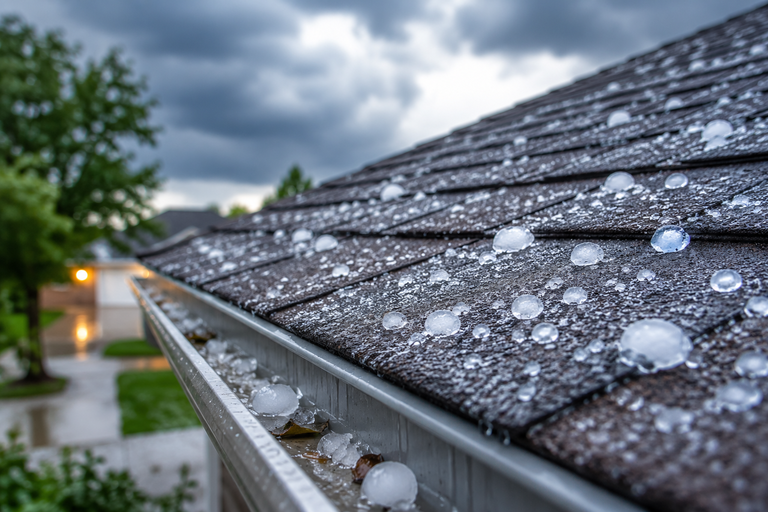
A hailstorm can pass within minutes, yet the damage it leaves behind may remain hidden for weeks or even months. Many homeowners assume that if they do not see missing shingles or water leaking into their home, their roof escaped without any issues. Unfortunately, that is not always the case. Small impacts from hail can weaken roofing materials and create problems that become noticeable only after repeated exposure to rain, wind, and changing temperatures.
At Energy Advantage Roofing and Solar, we understand that hidden roof damage can be just as concerning as visible destruction. Knowing what to look for after a hailstorm helps homeowners take timely action, protect their investment, and avoid more extensive repairs in the future.
Why Hidden Damage Is More Common Than You Think
Not every hailstorm leaves obvious signs of damage. Depending on the size of the hailstones, wind direction, and the age of your roofing materials, the effects may be subtle at first. A roof can appear perfectly normal from the ground while still having weakened shingles or damaged protective layers.
Many roofing systems are designed to withstand normal weather conditions, but repeated hail impacts can gradually reduce their ability to protect your home. This is why homeowners should never rely solely on a quick glance from the driveway after a storm.
Even if your neighbors have visible damage and your roof looks fine, it is still possible that your home experienced hidden impacts. Every property is exposed to weather differently based on its location, roof design, and surrounding trees.
Hail can bruise shingles without removing them.
Small cracks may not be visible from the ground.
Protective granules can loosen after repeated impacts.
Flashing may bend without creating immediate leaks.
Roof vents can develop unnoticed dents.
Minor damage often worsens with future storms.
Hidden problems usually become more expensive over time.
Watch For Subtle Warning Signs Around Your Home
The roof is not the only place where hail damage appears. Many exterior features provide early clues that your roofing system may also have been affected. Paying attention to these warning signs helps homeowners decide whether a professional inspection is worthwhile.
Take a slow walk around your property after the weather clears. Looking carefully at different parts of your home's exterior often reveals evidence that the hailstorm was stronger than you initially thought.
Remember that these signs do not automatically confirm roof damage, but they do indicate that your home experienced enough impact to justify a closer inspection.
Look for dents on gutters and downspouts.
Check metal vents for impact marks.
Inspect siding for chips or cracks.
Examine mailbox surfaces for dents.
Notice damaged outdoor lighting fixtures.
Look for scattered roofing granules near downspouts.
Watch for broken landscaping decorations.
Understand How Hail Affects Roofing Materials
Different roofing materials respond differently when struck by hail. Some surfaces may crack immediately, while others slowly weaken over time. Even durable roofing systems can develop hidden issues after repeated storms.
The outer surface of your roof acts as the first layer of protection against moisture. When hail damages this protective layer, water can eventually reach the materials underneath, leading to gradual deterioration that may not become visible until much later.
Because much of this damage occurs beneath the surface, it is often impossible to identify without a detailed inspection performed by experienced professionals.
Protective granules may loosen after impact.
Shingles can develop hidden bruises.
Sealants may weaken over time.
Flashing can shift from its original position.
Roof vents may lose their protective seal.
Water resistance may gradually decrease.
Minor impacts can shorten roof performance.
If damage is confirmed, timely residential roof repairs can help prevent moisture from reaching the underlying structure.
Check Your Attic For Early Clues
Your attic often provides valuable information about the condition of your roof. While damage may not always be visible from outside, signs inside the attic can indicate that moisture has already started entering the home.
A careful attic inspection should be part of your post-storm routine, especially if heavy hail was accompanied by strong winds or rain. Looking for small changes now may prevent much larger repairs later.
Use a flashlight and inspect the attic during daylight hours whenever possible. Natural light entering through unexpected openings can reveal areas that need further attention.
Look for damp insulation.
Check wooden framing for moisture stains.
Watch for sunlight entering through small gaps.
Notice unusual odors caused by moisture.
Inspect ceilings for discoloration.
Look for signs of mold growth.
Monitor the attic after future rainfall.
Inspect Gutters And Drainage Systems Carefully
Gutters play an important role in protecting your home, and they are also one of the easiest places to spot hail damage. Because they are made from metal, hail impacts often leave dents that remain visible long after the storm has passed.
Your drainage system can also collect roofing granules that wash away after hail damages shingles. Finding an unusual amount of granules inside your gutters may indicate that your roof experienced more impact than expected.
Keeping gutters clean after a storm also allows rainwater to flow properly while making future inspections easier.
Check gutters for dents.
Remove leaves and storm debris.
Look for loose gutter fasteners.
Inspect downspouts for blockages.
Watch for roofing granules.
Ensure water flows away from the foundation.
Examine gutter joints for separation.
Know When Professional Help Makes Sense
Many forms of hail damage are simply too difficult to identify without proper training. Even experienced homeowners may overlook bruised shingles, weakened flashing, or damaged underlayment because these problems are not always visible during a ground inspection.
A professional evaluation provides peace of mind by identifying both visible and hidden concerns before they develop into larger issues. It also creates documentation that may be useful if repairs become necessary later.
Choosing experienced roofing repair contractors can help ensure your roof receives a thorough inspection based on its specific materials and overall condition.
Schedule an inspection after severe hail.
Request detailed findings.
Ask questions about observed damage.
Review photographs of affected areas.
Understand recommended next steps.
Keep inspection reports organized.
Compare future inspections when needed.
Check Windows And Exterior Features Too
Although the roof usually receives the most attention after a hailstorm, other exterior features can also reveal how severe the storm was. Windows, trim, siding, skylights, and garage doors often show signs of impact that help paint a clearer picture of the overall condition of your home
Inspect these areas carefully once it is safe to go outside. Even small cracks or dents can allow moisture to enter over time, reducing the performance of your home's exterior. Looking beyond the roof provides a more complete assessment after severe weather
If you notice damage in multiple areas, it increases the likelihood that your roof has also been affected. A thorough inspection of the entire exterior helps ensure nothing important is overlooked.
Look for cracked or chipped window glass.
Check window frames for dents.
Inspect exterior trim for impact marks.
Examine garage doors for small dents.
Look for damaged screens around windows.
Watch for loose seals that may allow drafts.
Inspect skylights for visible cracks.
If damage extends to your home's glass or frames, window repair and replacement services may be recommended after a professional inspection confirms the extent of the impact.
Avoid Common Mistakes After A Hailstorm
After a storm, many homeowners make quick decisions based on what they can immediately see. While acting quickly is important, rushing into repairs or ignoring minor signs can create bigger problems later. Taking a careful and organized approach protects both your property and your investment.
Avoiding common mistakes also makes future inspections and insurance conversations much easier. A little patience during the first few days often leads to better long term outcomes.
Keep records of everything you observe and avoid making permanent repairs until the condition of your roof has been fully evaluated.
Do not climb onto the roof yourself.
Avoid ignoring small dents on exterior surfaces.
Never throw away damaged materials immediately.
Do not delay scheduling an inspection.
Avoid making permanent repairs without an evaluation.
Keep photos and documents organized.
Monitor your home after the next rainfall.
Protect Your Roof Throughout The Year
Hailstorms are unpredictable, but regular maintenance can help your roof perform better when severe weather arrives. Keeping your roofing system in good condition allows small issues to be identified before they become major concerns.
Routine inspections also provide a useful record of your roof's condition over time. Comparing reports from different seasons helps identify changes that may otherwise go unnoticed.
Simple maintenance habits improve the lifespan of your roofing system and help you feel more confident when storms pass through your area.
Schedule routine roof inspections.
Clean gutters regularly.
Trim tree branches near the roof.
Replace damaged shingles promptly.
Check attic ventilation periodically.
Inspect flashing around roof openings.
Address small concerns before they grow.
Do Not Let Hidden Damage Turn Into Bigger Problems
A roof does not always show obvious signs after a hailstorm, but hidden damage can quietly worsen with every rainfall and seasonal temperature change. Taking the time to inspect your property, document any concerns, and arrange a professional evaluation can help you avoid unnecessary stress and larger repairs in the future.
Contact us today to schedule a professional roof inspection and gain peace of mind after the latest storm. Early action helps protect your home and keeps small concerns from becoming costly issues later. Whether your roof has visible damage or hidden impacts that require a closer look, Energy Advantage Roofing and Solar is committed to helping homeowners protect their property with dependable service and experienced guidance.