
How To Know When A Window Needs Glass Replacement Instead Of Full Replacement
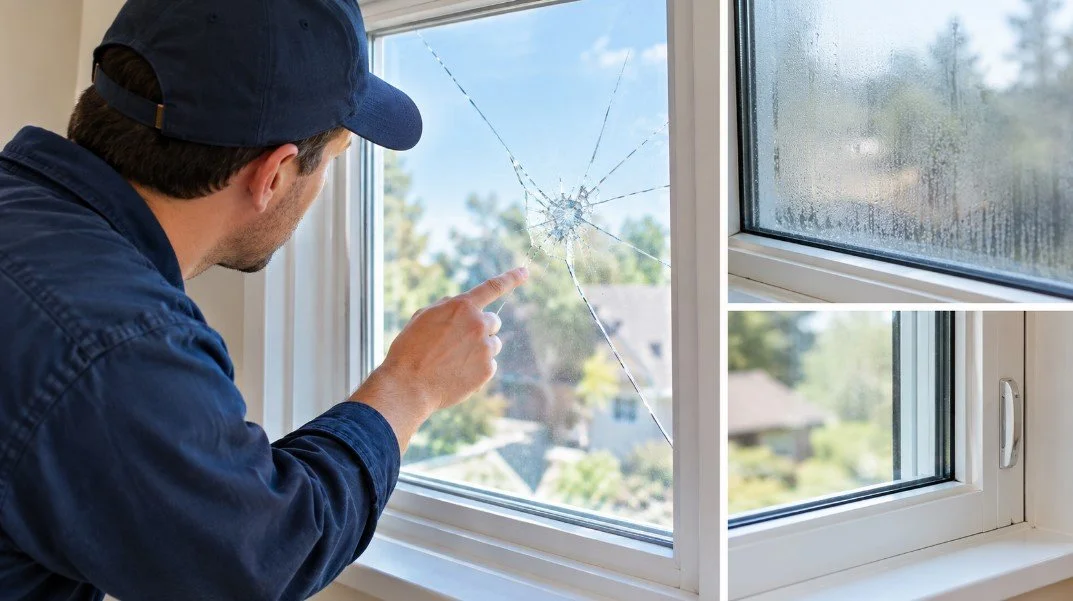
A damaged window does not always mean the entire window needs to be replaced. In many situations, the glass is the main problem while the frame, hardware, and surrounding structure are still in good condition.
Cracked or broken glass, foggy panes, failed seals, and certain energy-efficiency problems may be addressed without replacing the complete window. The key is determining whether the damage is limited to the glass or extends to other parts of the window.
Energy Advantage Roofing & Solar recommends looking at the condition of the entire window before deciding what needs to be replaced. A strong, properly aligned frame with working hardware may still be suitable for new glass, while warped frames, water damage, repeated leaks, or ongoing operating problems may point to a larger issue.
The window's age, frame condition, glass type, seals, hardware, energy performance, and repair history should all be considered. Understanding these factors can help you choose an appropriate solution rather than assuming that every damaged pane requires a complete window replacement.
Signs The Glass May Be The Main Problem
Not every damaged window requires a complete replacement. Some problems are limited to the pane itself, especially when the frame still looks and functions normally.
Look closely at what has actually failed before assuming the entire window needs to come out. These signs may indicate that the glass is the primary issue:
Visible cracks: A crack running through the pane can indicate that the glass itself needs attention.
Broken glass: A shattered or broken pane is a direct sign that the damaged glass needs to be addressed.
Foggy insulated glass: Moisture or fog between panes can point to a failed seal within the insulated glass unit.
Persistent condensation between panes: Condensation trapped inside the unit is different from normal moisture on the room side of the glass.
Scratches or surface damage: Deep scratches can affect appearance and may justify replacing the affected pane.
Glass-related energy loss: Damaged or failed insulated glass may reduce the window's ability to control indoor temperatures.
The frame still works properly: If the window opens, closes, locks, and stays square, the frame may not need replacement.
When The Entire Window May Need Attention
Glass damage is only one part of the decision. A complete window replacement becomes more relevant when problems extend beyond the pane and affect the frame, operation, or structure.
A window that has several connected issues may not provide much benefit from replacing only the glass. Look for these broader warning signs:
Warped or damaged frames: A frame that has changed shape may prevent the window from sealing or operating correctly.
Soft or rotting material: Wood deterioration around the window can indicate a deeper structural problem.
Persistent air leaks: Drafts can come from damaged seals, poor installation, or problems with the frame.
Water intrusion: Repeated leaks around the window may involve the frame, flashing, installation, or surrounding wall.
Difficult operation: Windows that stick, fail to stay open, or cannot close properly may have hardware or structural problems.
Damaged locking components: Broken locks or other hardware can affect security and proper sealing.
Repeated repairs: If the same window keeps developing different problems, replacing one component may only provide a temporary solution.
Severe frame damage: A seriously damaged frame may not provide a stable base for new glass.
The important point is that glass replacement and full window replacement solve different problems. The right option depends on which part of the window has actually failed.
How Frame Condition Changes The Decision
The condition of the frame is one of the most important factors to consider. Good glass will not solve a problem caused by a weak, damaged, or badly deteriorated frame.
A frame that remains structurally sound can often continue supporting a new pane. However, if the frame is warped, deteriorated, or unable to hold the glass securely, replacing the glass alone may not address the underlying issue.
Check The Frame For These Conditions
Straight alignment: The frame should remain reasonably square without obvious bending or distortion.
Firm material: Pressing around the frame should not reveal significant softness or deterioration.
Stable connections: Joints should remain secure without large gaps or movement.
Proper drainage: Water should have a clear path away from the window rather than collecting around the frame.
Working hardware: Handles, locks, hinges, and other components should function as intended.
Consistent sealing: The frame should maintain a reasonably tight connection with the surrounding opening.
If the frame checks these boxes but the pane is damaged, replacing the glass may be a practical option to investigate.
How Energy Efficiency Fits Into The Choice
A window can look fine while still losing performance through damaged or outdated glass. This is especially important with insulated windows that use two or more panes.
A failed seal can allow moisture to enter the space between panes, creating a cloudy or fogged appearance. Depending on the window design, replacing the affected glass unit may restore some of the intended performance without removing a sound frame.
Energy performance can also be affected by the age and design of the window. If the frame, seals, and operating parts are already worn, replacing the complete window may address more than one problem at the same time.
The goal is not simply to replace damaged glass. It is to determine whether the existing window system still provides the performance, comfort, and function you expect.
Understanding Repair And Replacement Options
Homeowners often use the words repair and replacement interchangeably, but they can refer to different solutions. Understanding the distinction makes it easier to discuss the problem with a qualified professional.
Minor problems may sometimes be addressed through window glass repair, depending on the type and extent of the damage. However, not every damaged pane can be repaired safely or effectively.
A glass-only solution may involve replacing the affected pane or insulated glass unit while retaining the existing frame. Other situations may require work on the frame, seals, hardware, or the complete window unit.
The right approach depends on the condition of each component rather than simply choosing the option that sounds more extensive.
Questions To Ask Before Making A Decision
Getting clear answers before work begins can help you understand what is actually wrong with the window. It can also prevent confusion when different solutions are available.
Ask these practical questions during an inspection:
What part has actually failed? Find out whether the problem is limited to the glass or affects the frame and hardware.
Is the existing frame structurally sound? A strong frame may be suitable for continued use.
Is the glass repairable or replaceable? Some damage cannot be safely repaired and requires a new pane.
Are the seals still working? Failed seals can affect insulated glass performance.
Does the window operate correctly? Opening, closing, locking, and sealing problems may indicate broader issues.
Is there evidence of water damage? Moisture around the frame can point to problems beyond the glass.
Will the replacement glass match the existing window? Thickness, dimensions, glazing type, and other specifications need to be compatible.
Could another component fail soon? If several parts are already deteriorating, a broader solution may deserve consideration.
You can also learn more about related storm-window decisions in this guide: storm window repair vs. replacement: which option protects your home best.
When Glass Replacement Makes Practical Sense
When the frame is stable and the damage is limited to the pane, window glass replacement may be an option worth discussing.
This approach can be especially relevant when an insulated glass unit has failed, a pane has cracked, or the existing glass no longer provides the performance expected from the window.
The existing frame should still be inspected before new glass is selected. Measurements, glass thickness, glazing specifications, and compatibility all matter because the new unit needs to work correctly with the existing window.
Replacing only the affected glass can also preserve a frame that is otherwise functioning well. However, the suitability of this approach depends on the specific window and the condition of its other components.
Situations That Deserve Prompt Attention
Some window problems should not be left unresolved because damaged glass or surrounding components can create safety and property concerns.
A cracked pane can become more unstable over time, especially if the damage grows or the glass is exposed to pressure, vibration, or changing temperatures. Broken glass can also create sharp edges and should be handled carefully.
Water entering around a window deserves attention as well. Even when the glass appears to be the problem, moisture can sometimes indicate an issue with the frame, seal, installation, or surrounding wall.
Pay closer attention when you notice:
A growing crack: A small crack can spread and make the pane less stable.
Loose or broken glass: Movement can create an immediate safety concern.
Water around the opening: Repeated moisture can damage nearby materials.
Strong drafts: Significant air movement may indicate a sealing or installation issue.
Difficulty securing the window: A window that does not lock properly can create a security concern.
Visible frame deterioration: Rot, corrosion, or severe damage may extend beyond the glass.
When damage creates a safety concern, avoid handling broken glass yourself and arrange for appropriate professional assessment.
A Simple Way To Evaluate Your Window
You do not need to diagnose every technical detail yourself. A simple visual check can help you understand what questions to ask before arranging professional service.
Start by examining the glass from both inside and outside where it is safe to do so. Look for cracks, breaks, fogging, scratches, or visible damage.
Next, inspect the frame. Look for bending, deterioration, gaps, moisture marks, and signs that the frame has moved out of alignment.
Then test the window's basic operation. It should open, close, and lock without unusual resistance. Pay attention to drafts, rattling, or movement that may suggest a problem beyond the glass.
Finally, consider the window's overall history. A recently installed window with one damaged pane presents a different situation from an older window with recurring leaks, failing hardware, and deteriorating frames.
What A Professional Inspection Can Reveal
A professional assessment can help separate a glass problem from a complete window problem. This is useful because some damage is easy to see while other issues are hidden inside the window assembly.
An inspection may consider the glass type, frame condition, seals, hardware, drainage, operation, and installation. It can also help identify whether moisture or drafts are coming from the window itself or from another part of the opening.
The goal is to identify the source of the problem before deciding what should be replaced. This approach can help avoid replacing components that are still functioning properly.
A qualified professional can also confirm measurements and compatibility before new glass is ordered. This matters because replacement glass needs to fit the existing system correctly.
How Window Repair And Replacement Decisions Differ
Choosing between a limited repair and a complete solution depends on the number and severity of problems affecting the window. A single damaged pane presents a different situation from a window with multiple failing components.
For example, window repair and replacement decisions may involve looking at the glass, frame, seals, hardware, installation, and surrounding wall together. If only one part has failed, addressing that component may be enough.
If several parts are deteriorating at the same time, a more comprehensive solution may make sense to investigate. The condition of the entire assembly should therefore be considered rather than focusing only on the most visible damage.
This evaluation can help homeowners understand what work is actually necessary and avoid assuming that every damaged window requires the same type of solution.
Make The Right Call For Your Window
A cracked or foggy pane does not automatically mean the entire window needs to be replaced. If the frame is strong, the hardware works, and the surrounding opening is in good condition, replacing the affected glass may be an option worth exploring.
On the other hand, warped frames, repeated leaks, deteriorating materials, poor operation, and multiple ongoing problems may indicate that a complete window solution deserves consideration.
Energy Advantage Roofing & Solar can help homeowners understand the condition of their windows and identify the type of work that may be appropriate. Contact us today to discuss your window concerns and determine what should be evaluated before moving forward.
The best starting point is a careful inspection. Once you know whether the problem is limited to the glass or involves the entire window, you can make a more informed decision about the next step.