
Enhancing Energy Efficiency and Property Value with Commercial Roofing in Colorado
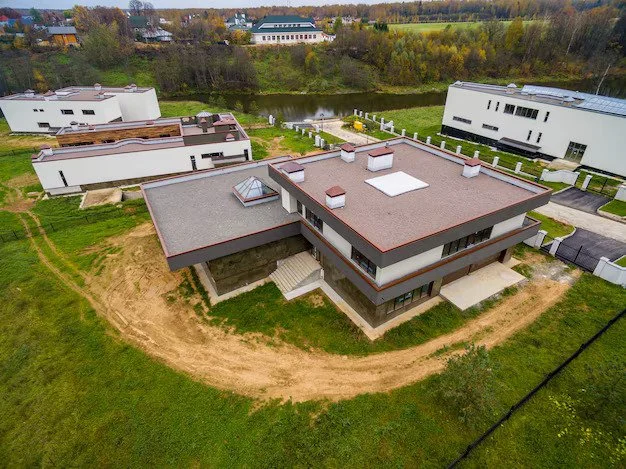
Energy-efficient commercial roofing Colorado is transforming how businesses manage energy use, reduce costs, and boost property value. Colorado’s commercial buildings face a unique challenge: thriving in a state known for its breathtaking scenery but unpredictable weather. From snow-laden winters to blazing summer days, commercial roofs in the Centennial State take on immense environmental stress. For property owners and business leaders, ensuring a roof can withstand these elements while improving energy performance isn’t just a maintenance task; it’s a strategic investment.
Understanding the Importance of Commercial Roofing in Colorado
Your commercial roof plays a far greater role than simply covering your building. It impacts heating and cooling costs, indoor comfort, and even the structure’s lifespan. In Colorado’s climate, where high UV exposure, hailstorms, and rapid temperature shifts are common, roofing materials and designs must deliver exceptional performance.
Many older commercial properties rely on outdated roofing systems that absorb heat, leak energy, and require frequent maintenance. These inefficiencies often translate into increased operational costs and reduced building value. By contrast, modern commercial roofing systems designed with reflective coatings, improved insulation, and sustainable materials help maintain consistent interior temperatures while reducing strain on HVAC systems.
How Commercial Roofing Enhances Energy Efficiency
Energy efficiency begins at the top. A well-designed roof can serve as a powerful thermal barrier, reducing heat gain in summer and heat loss in winter. Here’s how energy-efficient roofing systems help Colorado businesses save energy and money:
1. Reflective Roof Coatings
Reflective or “cool” roof coatings minimize heat absorption by reflecting sunlight rather than absorbing it. This dramatically lowers roof surface temperatures, reducing cooling demands and air conditioning costs by up to 20–30% in the warmer months.
For example, a white TPO (thermoplastic polyolefin) or reflective metal roof can reflect 70–90% of solar radiation. In regions like Denver, Boulder, or Colorado Springs, where intense sunshine is common, this can make a substantial difference in energy bills.
2. Improved Insulation
Proper insulation acts as the backbone of energy-efficient roofing. Adding high-performance insulation materials such as polyisocyanurate (ISO) or spray foam reduces heat transfer and helps maintain a stable indoor climate year-round.
Colorado’s varying temperatures make insulation essential. During cold months, it prevents heat from escaping; in summer, it keeps interiors cooler without overworking HVAC systems.
3. Ventilation and Moisture Control
An efficient roofing system must allow for proper ventilation and moisture management. Poor ventilation can trap heat and condensation, leading to mold growth or structural damage. Modern commercial roofing systems incorporate ventilation layers and moisture barriers to ensure optimal airflow and durability.
4. Solar Integration
Colorado enjoys more than 300 days of sunshine each year, making it a perfect environment for solar roofing solutions. Many commercial property owners now integrate solar panels directly into their roofing systems, turning unused rooftop space into an energy-generating asset.
Solar roofs not only reduce utility expenses but also position businesses as leaders in sustainability. Furthermore, state and federal tax credits make solar investments even more attractive financially.
The Financial Benefits of Energy-Efficient Commercial Roofing
Upgrading your commercial roof isn’t merely a maintenance expense; it’s an investment that pays dividends over time. Here’s how:
Lower Energy Bills: Reflective coatings, improved insulation, and solar integration combine to reduce heating and cooling costs significantly.
Reduced Maintenance Costs: Modern roofing materials are designed to last longer, resist weather damage, and require minimal upkeep.
Tax Incentives and Rebates: Colorado offers various energy-efficiency incentives and rebates for sustainable building improvements. Federal tax credits for solar energy systems can offset installation costs even further.
Extended Roof Lifespan: Energy-efficient materials such as metal, TPO, and PVC resist cracking, fading, and UV damage, providing long-term protection.
Higher Property Value: Energy-efficient buildings are highly desirable in today’s commercial real estate market. A roof that reduces operational costs and improves sustainability enhances overall property valuation.
Environmental Impact: Sustainability at Its Core
Sustainability is no longer optional; it’s a core business value. Energy-efficient commercial roofing reduces a building’s carbon footprint by lowering energy consumption and improving environmental performance.
Roofing materials like TPO, PVC, and metal can often be recycled at the end of their life cycle, minimizing waste. Additionally, “green roofs” that incorporate vegetation are gaining popularity in urban areas such as Denver and Boulder. They help filter pollutants, manage stormwater runoff, and reduce the urban heat island effect.
By investing in sustainable roofing, Colorado businesses demonstrate environmental leadership and align with state and national energy goals.
Choosing the Right Roofing Material for Colorado’s Climate
Selecting the correct roofing system for your commercial property is critical. Colorado’s altitude, temperature variations, and exposure to snow and hail require durable and efficient solutions. Here are some top materials to consider:
1. Metal Roofing
Metal roofs are among the most energy-efficient and durable options for commercial buildings. Their reflective surface keeps interiors cool, and their resistance to hail and snow ensures long-lasting performance. With proper coatings, metal roofs can last 40–70 years.
2. TPO (Thermoplastic Polyolefin)
TPO roofing is a single-ply membrane known for its energy efficiency and cost-effectiveness. It reflects UV rays, resists punctures, and offers excellent heat-welding capabilities, making it ideal for Colorado’s changing climate.
3. PVC Roofing
PVC roofs offer strong chemical and fire resistance, excellent reflectivity, and long lifespan. They are particularly suited for restaurants, factories, and buildings with exhaust systems due to their resistance to grease and chemicals.
4. EPDM (Ethylene Propylene Diene Monomer)
EPDM is a rubber roofing system known for flexibility and resistance to UV radiation. It performs well in cold climates and can last over 30 years with proper maintenance.
5. Modified Bitumen
This asphalt-based roofing system is reinforced with polymers for enhanced strength and weather resistance. It’s ideal for flat or low-slope roofs and performs reliably under Colorado’s temperature extremes.
Boosting Property Value through Roofing Upgrades
Energy-efficient roofing upgrades not only lower utility costs but also increase your property’s resale and leasing potential. Modern, sustainable roofing systems signal quality construction and reduced long-term expenses, key factors for potential buyers or tenants.
Commercial tenants increasingly prioritize green building features as part of their corporate sustainability commitments. A building equipped with energy-efficient roofing can attract higher-quality tenants and command premium lease rates.
In addition, having a roof under manufacturer warranty, with documentation of maintenance and energy savings, can significantly boost appraisal value during property sales or refinancing.
Maintenance: Protecting Your Roofing Investment
Even the most advanced roofing system requires regular maintenance to perform optimally. Annual inspections help identify minor issues such as cracks, drainage problems, or punctures before they escalate into costly repairs.
A proactive maintenance plan should include:
Bi-annual roof inspections (spring and fall)
Gutter and drainage cleaning
Sealing or recoating reflective surfaces as needed
Checking flashing and seams for weather damage
Immediate repair of any punctures or leaks
Routine upkeep ensures your energy-efficient roof continues to deliver savings and structural integrity year after year.
Why Choose a Professional Commercial Roofing Contractor in Colorado
Installing or upgrading a commercial roofing system requires precision and expertise. Partnering with a certified roofing contractor ensures compliance with Colorado’s building codes, warranty coverage, and optimal system performance.
Professional roofing companies assess your building’s structure, energy needs, and local climate before recommending materials and installation methods. They can also guide you through available rebates and energy-efficiency programs to maximize your investment.
Conclusion
In Colorado’s dynamic climate, your commercial roof does far more than protect your property. It defines your energy efficiency, operating costs, and overall property value. By investing in a modern, energy-efficient roofing system, you’re not just upgrading your building; you’re future-proofing it.
Whether through reflective coatings, advanced insulation, or solar integration, commercial roofing offers Colorado businesses an opportunity to save energy, boost sustainability, and enhance property worth.
If you’re ready to take your commercial property to the next level, start at the top with a roofing system built for performance, durability, and long-term value. Contact Your Energy Advantage today to schedule a consultation and discover how our commercial roofing solutions can help you achieve greater efficiency and lasting protection for your property.
Frequently Asked Questions (FAQ)
-
Depending on your building size, insulation, and materials, energy-efficient roofing can reduce utility bills by 20–40% annually.
-
Metal roofing and TPO systems are ideal due to their durability, impact resistance, and reflective properties.
-
Yes. Colorado offers energy-efficiency rebates, and federal tax credits apply to solar-integrated roofing systems.
-
Most high-quality systems, such as metal or TPO, can last 30–50 years with proper maintenance.
-
Signs include water leaks, rising energy bills, ponding water, visible damage, or membrane deterioration. A professional inspection can confirm whether repair or replacement is necessary.