
Why Energy-Efficient Residential Roofing Matters in Colorado’s Weather
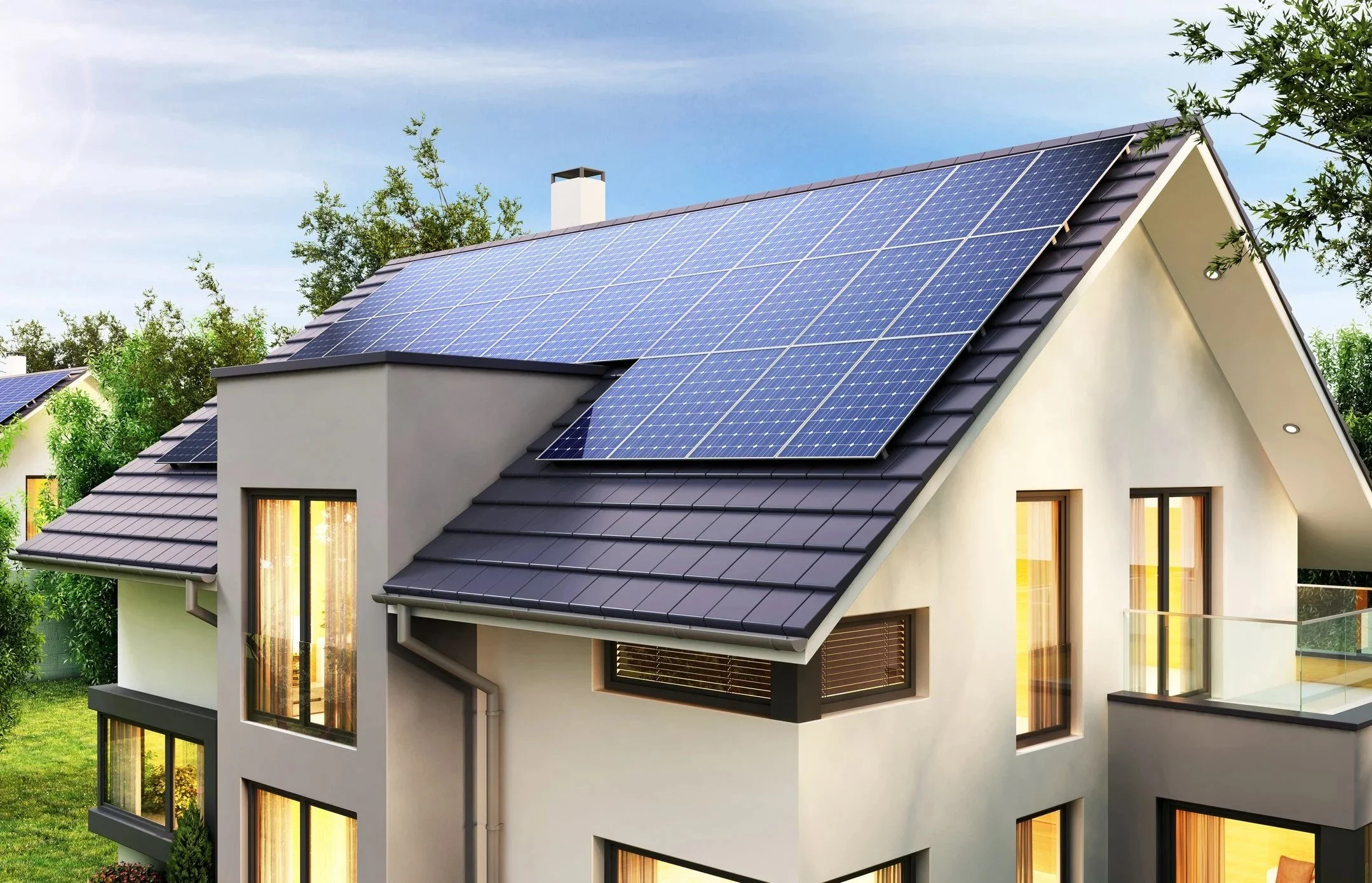
Colorado is famous for its breathtaking mountain views, crisp air, and a climate that can change in an instant. From scorching summer days to frigid winter nights, homeowners in the Centennial State face a unique challenge: keeping their homes comfortable and energy-efficient all year long. One of the most effective yet often overlooked ways to achieve this balance is through energy-efficient residential roofing.
Your roof is more than just a shelter. It is your home’s first line of defense against Colorado’s unpredictable weather. In this guide, we will explore why energy-efficient roofing is essential for Colorado homeowners, how it performs under local climate conditions, and which materials provide the best performance and value.
Understanding Colorado’s Unique Climate Challenges
Colorado’s weather is unlike any other. Its diverse geography, from the high plains to the Rocky Mountains, creates wide temperature fluctuations and varied precipitation patterns. Here are the main climate factors that make roofing efficiency so important:
1. High Altitude and Intense Sunlight
Colorado’s higher elevation means homes are closer to the sun, receiving stronger ultraviolet (UV) radiation. This exposure accelerates roof wear and increases indoor temperatures during summer.
2. Rapid Temperature Swings
It is not uncommon for temperatures to shift by 30°F or more within a single day. These fluctuations can cause traditional roofing materials to expand and contract, leading to cracks, leaks, and premature aging.
3. Heavy Snow and Ice
Winters bring heavy snowfall, ice dams, and freeze-thaw cycles that can damage roofs and reduce insulation effectiveness.
4. Hail and Storm Damage
Colorado is part of “Hail Alley,” one of the most hail-prone regions in the United States. A durable and energy-efficient roof can minimize storm-related damage and reduce repair costs.
Because of these conditions, investing in an energy-efficient roofing system in Colorado is not just about comfort. It is about protecting your home, improving longevity, and supporting sustainability.
What Is Energy-Efficient Roofing?
Energy-efficient roofing refers to materials and systems that help reduce heat transfer, reflect solar energy, and maintain stable indoor temperatures. These roofs are designed to:
Reflect sunlight instead of absorbing it
Reduce heat gain during summer and heat loss in winter
Improve overall insulation and reduce the workload on HVAC systems
Energy-efficient roofs are rated by their Solar Reflectance Index (SRI). The higher the number, the better the roof reflects and emits absorbed heat.
Top Energy-Efficient Roofing Materials for Colorado Homes
Choosing the right roofing material is essential to ensure your home performs well in Colorado’s unique climate. Here are some of the best options for homeowners:
1. Cool Roofs
Cool roofs are built with highly reflective materials that deflect sunlight and lower roof surface temperatures by up to 50°F compared to standard roofing. They can be made from reflective shingles, tiles, or coatings.
Ideal for: Urban homes or lower-elevation areas with hotter summers
Benefits: Reduces cooling costs, prevents premature roof aging, and improves indoor comfort.
2. Metal Roofing
Metal roofs are among the most durable and energy-efficient choices for Colorado homeowners. They reflect solar radiation, resist hail impact, shed snow easily, and provide long-lasting protection — especially suited for mountain or heavy-snowfall regions.
Stone-Coated Steel Roofing (Energy Advantage’s primary metal roofing product):
Stone-coated steel combines the strength and longevity of metal with the visual appeal of traditional shingles, shakes, or tiles. This roofing system delivers outstanding durability, exceptional hail resistance, and superior performance in Colorado’s extreme weather conditions.
Ideal for: Mountain regions or any area with harsh weather heavy snow, hail, strong winds, or temperature extremes.
Benefits:
Long lifespan (40–70 years or more)
Highly impact- and hail-resistant
Excellent energy efficiency and weather resistance
Fire-resistant
Low maintenance
Aesthetic versatility available in profiles that mimic shingles, shakes, or tiles
Made from recyclable materials
3. Asphalt Shingles with Reflective Granules
Modern asphalt shingles can include special reflective coatings that enhance energy efficiency without sacrificing appearance.
Ideal for: Homeowners looking for affordability and traditional style
Benefits: Cost-effective, durable, and available in a wide range of designs and colors.
4. Clay or Concrete Tiles
Clay and concrete tiles act as natural insulators, keeping homes cooler in summer and warmer in winter. They also perform well in high UV exposure areas.
Ideal for: Homes in central or southern Colorado
Benefits: Fire-resistant, durable, and low maintenance.
5. Green or Living Roofs
Green roofs feature vegetation layers over waterproof membranes, creating a natural insulation system that absorbs rainwater and improves air quality.
Ideal for: Eco-conscious homeowners in urban areas
Benefits: Reduces heat islands, enhances sustainability, and provides superior insulation.
Energy Efficiency and Insulation: The Perfect Pair
While the roofing material plays a big role, insulation is equally important in achieving true energy efficiency. Proper insulation helps maintain indoor temperature, lowering heating and cooling demands. In Colorado, attic insulation and ventilation are especially crucial to prevent ice dams and heat loss.
A well-insulated and ventilated attic can:
Prevent heat buildup in summer
Reduce ice dams in winter
Extend the roof’s lifespan
Decrease HVAC energy use by up to 20%
By combining quality roofing materials with proper insulation, homeowners can achieve maximum energy efficiency and comfort all year long.
The Financial and Environmental Benefits of Energy-Efficient Roofing
Energy-efficient roofing not only performs better but also delivers significant financial and environmental advantages.
1. Lower Energy Bills
Reflective and insulated roofs reduce the amount of heat entering or escaping your home, which lowers the need for air conditioning or heating. This translates to savings of up to 20–30% on annual energy costs.
2. Increased Home Value
Energy-efficient roofing is a desirable feature for potential buyers. Homes with upgraded roofing systems typically sell faster and at higher prices.
3. Long-Term Savings
Energy-efficient materials often last longer and require fewer repairs, offering a high return on investment over time.
4. Environmental Sustainability
Using reflective or recycled materials helps minimize your home’s carbon footprint and supports eco-friendly building practices.
5. Potential Rebates and Incentives
Colorado homeowners may qualify for energy efficiency rebates or federal tax credits when installing ENERGY STAR®-rated roofing materials. Always check with your local utility provider or roofing contractor for current offers.
Maintenance Tips for Energy-Efficient Roofs in Colorado
To ensure your roof continues to perform efficiently, regular maintenance is key. Follow these essential care tips:
Inspect after extreme weather: Check for hail dents, loose shingles, or leaks after storms.
Clean gutters regularly: Clogged gutters can cause ice dams and water pooling.
Remove debris and snow: Use a roof rake to clear excess snow to reduce structural stress.
Schedule professional inspections: Have your roof inspected at least once a year by a licensed roofing contractor.
Recoat or reseal when needed: Reflective coatings may require reapplication every few years to maintain effectiveness.
Choosing the Right Roofing Contractor in Colorado
Selecting the right roofing company can make or break your investment. When hiring a roofing contractor in Colorado, look for the following:
Proven experience with Colorado’s unique weather conditions
Certifications from top roofing manufacturers
Knowledge of local building codes and energy standards
Strong warranties for both materials and workmanship
Positive customer reviews and transparent communication
A reputable contractor will help you choose the most suitable materials and ensure your installation maximizes both energy efficiency and durability.
Why Energy Efficiency Matters More Than Ever
Colorado’s population continues to grow rapidly, and with it, energy demand is rising. According to the Colorado Energy Office, residential buildings account for nearly 20% of the state’s total energy consumption. By upgrading to an energy-efficient roofing system, homeowners can significantly reduce their energy use while improving comfort and home performance.
As weather extremes become more common due to climate change, resilient and efficient roofing solutions are no longer optional they are essential for long-term home protection and sustainability.
Conclusion
In a state as dynamic as Colorado, where the sun can blaze one day and snow the next, your roof is more than a structural component—it defines your home’s comfort, durability, and efficiency. Investing in energy-efficient residential roofing is one of the smartest decisions Colorado homeowners can make. It provides year-round comfort, cost savings, environmental benefits, and protection from the state’s ever-changing weather.
When planning your next home improvement project, start at the top. Your roof might be the key to a more sustainable, comfortable, and energy-smart future.
Take the first step toward a more efficient home contact our Colorado roofing specialists for a free inspection, personalized recommendations, and an estimate tailored to your needs.
Frequently Asked Questions
-
You can save up to 20–30% annually on heating and cooling costs, depending on insulation, roofing material, and location.
-
Metal roofing is the best choice because it’s impact-resistant, durable, and highly reflective.
-
Yes. When combined with proper insulation and ventilation, they help prevent ice dams by reducing uneven snow melting.
-
Yes. Many Colorado homeowners qualify for federal tax credits or local energy rebates on ENERGY STAR®-certified roofs.
-
Depending on the material, they can last 25 to 70 years, with metal and tile offering the longest lifespan.