
How Do Colorado’s Solar Installation Regulations Affect Homeowners?
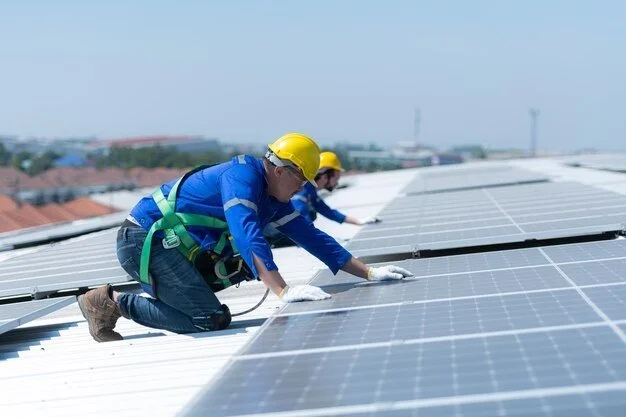
Colorado’s solar industry continues to grow, but so do the rules, codes, and guidelines designed to ensure safe and efficient system installation. Understanding these regulations is essential before beginning any project, whether you’re upgrading your home’s energy system or installing solar for the first time. Partnering with experienced professionals such as Your Energy Advantage ensures your system complies with state requirements while maximizing savings and performance.
Solar regulations in Colorado govern everything from structural requirements to electrical connections and safety codes. Knowing these rules early helps avoid costly redesigns or delays. Before you break ground or climb onto the roof it's important to understand how solar policy shapes your installation process.
Key regulatory areas homeowners must understand include:
Local permitting requirements and approval timelines
Electrical and building code compliance
Utility company interconnection rules
Property zoning and homeowner association policies
What Permits Are Required for Solar Installation in Colorado?
Permits are a critical part of Colorado’s solar installation process, ensuring the system is safe and structurally sound. Every municipality has its own requirements, but most regions follow similar guidelines. Understanding the permitting process beforehand allows homeowners to avoid delays and streamline the installation timeline.
In most cases, you’ll need both building and electrical permits. These permits confirm that the solar system meets local building standards and is wired safely into the home’s electrical system. Some areas may require additional documents such as engineering letters, roof load calculations, or fire safety evaluations.
Common permit requirements across Colorado include:
Building permit for structural compliance and mounting systems
Electrical permit to confirm system wiring meets NEC standards
Structural load assessment to ensure the roof can support panels
Site layout plan showing panel placement and wiring routes
How Do Local Zoning Laws Influence Solar Installation?
Zoning laws in Colorado vary significantly by county and city, often determining where solar panels may be placed on a property. These regulations prevent structural risks, protect neighborhood aesthetics, and ensure safe installation. Before planning your solar design, it’s important to understand how local zoning codes affect the positioning, visibility, and size of your system.
Some zoning laws restrict solar placement in designated areas, especially historic or environmentally protected zones. Others may dictate the height of ground-mounted solar systems or require certain setbacks from property lines. By understanding these rules in advance, you can design a system compliant with zoning guidelines without compromising energy generation.
Common zoning restrictions in Colorado include:
Roof-mounted solar placement requirements
Ground-mount system height limits
Setback regulations from adjacent properties
Historic district restrictions and review approvals
What Types of Solar Systems Are Permitted in Colorado?
Colorado offers flexibility when it comes to selecting a solar system type, but each system must comply with state codes and performance expectations. Whether you’re planning a traditional photovoltaic array or exploring more modern energy technologies, system type influences permitting, inspection requirements, and installation guidelines.
Colorado permits several types of renewable energy systems, but they must meet specific utility and safety standards. Homeowners exploring solar installation options should understand which systems qualify for rebates and net metering benefits. Roof-mounted systems must meet structural codes, while ground-mounted units may require more zoning review.
When considering solar panel installation in Colorado, homeowners must follow NEC codes for electrical wiring and meet local fire pathway requirements. Traditional photovoltaic panels remain the most popular due to their efficiency, affordability, and wide utility approval.
Homeowners seeking more modern solutions such as solar shingles installation must ensure the product is listed under certified roofing-integrated photovoltaic materials. Solar shingles may also require additional roofing permits and manufacturer-approved installation techniques.
Colorado-approved solar system types include:
Traditional photovoltaic (PV) solar panels
Solar shingles and roofing-integrated PV systems
Ground-mounted PV systems
Hybrid solar + battery storage systems
Off-grid or backup-only installations
How Does the Utility Interconnection Process Work in Colorado?
Utility interconnection is one of the most important steps in bringing your solar system online. Colorado utilities have structured rules to ensure safe grid connections, prevent overloads, and maintain system stability. Understanding the interconnection process helps homeowners prepare required documentation and avoid delays when activating their system.
Before energy flows from your solar panels into the grid, the utility must review your system to confirm compliance with grid safety rules. Utilities also require homeowners to sign interconnection agreements to participate in net metering programs. These agreements specify safety responsibilities, equipment requirements, and metering guidelines.
Typical interconnection steps include:
Submitting an interconnection application with system specifications
Utility review and approval of wiring diagrams and equipment lists
Installation of a two-way net meter
Final inspection by both the utility and local authorities
What Building and Electrical Codes Apply to Solar Systems in Colorado?
Solar installations in Colorado must meet strict building and electrical codes to ensure safety and long-term performance. These codes are regularly updated, so working with knowledgeable installers ensures every part of your system meets current requirements. Building codes protect the structural integrity of your home, while electrical codes safeguard the wiring and energy transfer components.
Colorado follows the National Electrical Code (NEC), which outlines wiring, disconnects, grounding, and safety device requirements. Local building codes also determine mounting hardware, fire setbacks, and roof access pathways. Failing to comply can delay your final inspection or require costly rework.
General code requirements for Colorado include:
NEC wiring standards for solar PV systems
Fire code setbacks for rooftop solar arrays
Roof load calculations for panel mountings
Proper labeling of disconnect switches and breakers
How Do HOAs Regulate Solar Installations in Colorado Communities?
While Colorado protects homeowners’ rights to install solar, homeowners' associations (HOAs) can still set reasonable guidelines to maintain neighborhood aesthetics and safety. Understanding these rules helps prevent disputes and ensures your design meets both HOA and state requirements.
The Colorado Solar Access Law limits how restrictive HOAs can be. They cannot prohibit solar installations outright but may regulate placement, color, visibility, and system design as long as performance is not significantly impacted.
Common HOA solar guidelines include:
Panel placement on rear-facing roofs
Colored racking to match roof materials
Limitations on visible wiring
Aesthetic requirements for ground-mounted systems
What Should Homeowners Expect During the Final Inspection?
The final inspection ensures your solar system complies with all state, local, and utility regulations before activation. Inspectors review everything from wiring connections to structural attachments, ensuring the system is safe for long-term operation. Knowing what inspectors look for helps you prepare and pass on the first attempt.
This process typically includes checks for proper grounding, labeling, roof attachments, and electrical connections. Utility inspectors ensure the system can safely connect to the grid. Passing the final inspection is the last step before turning on your solar energy system.
Inspection focus areas include:
Accuracy of panel mounting and racking systems
Electrical wiring safety and labeling
Breaker panel and disconnect switch compliance
Fire code access and setback requirements
How Can You Ensure a Smooth Colorado Solar Installation Process?
Installing solar in Colorado requires understanding permits, zoning restrictions, utility interconnection rules, and building codes. With proper planning and the right team, the process becomes much simpler and more efficient. By reviewing regulations early, choosing compliant equipment, and preparing accurate documentation, homeowners can enjoy clean energy without unnecessary delays.
Working with trusted professionals like Your Energy Advantage ensures your system meets all state and local requirements for safe operation. If you're ready to begin your project or need regulatory support, contact us today for expert guidance and customized assistance.
Frequently Asked Questions
-
Yes, most homeowners are required to obtain both building and electrical permits before starting installation. This ensures your system meets safety codes and local regulations.
-
Yes, solar panels are legal statewide, but each county has its own zoning, permitting, and inspection rules. It’s important to check local requirements before planning your installation.
-
The timeline varies by county and can range from one week to several weeks. Factors like inspection schedules and paperwork review affect the total approval time.
-
Yes, most utilities in Colorado provide net metering credits for excess electricity your panels generate. This allows homeowners to offset energy costs by feeding surplus power back into the grid.
-
No, Homeowners Associations cannot prohibit solar installations outright. They may have rules regarding aesthetics, such as panel placement or color, but cannot block the installation itself.