
Denver Roofing After Hail: What Homeowners Often Miss During A Roof Check
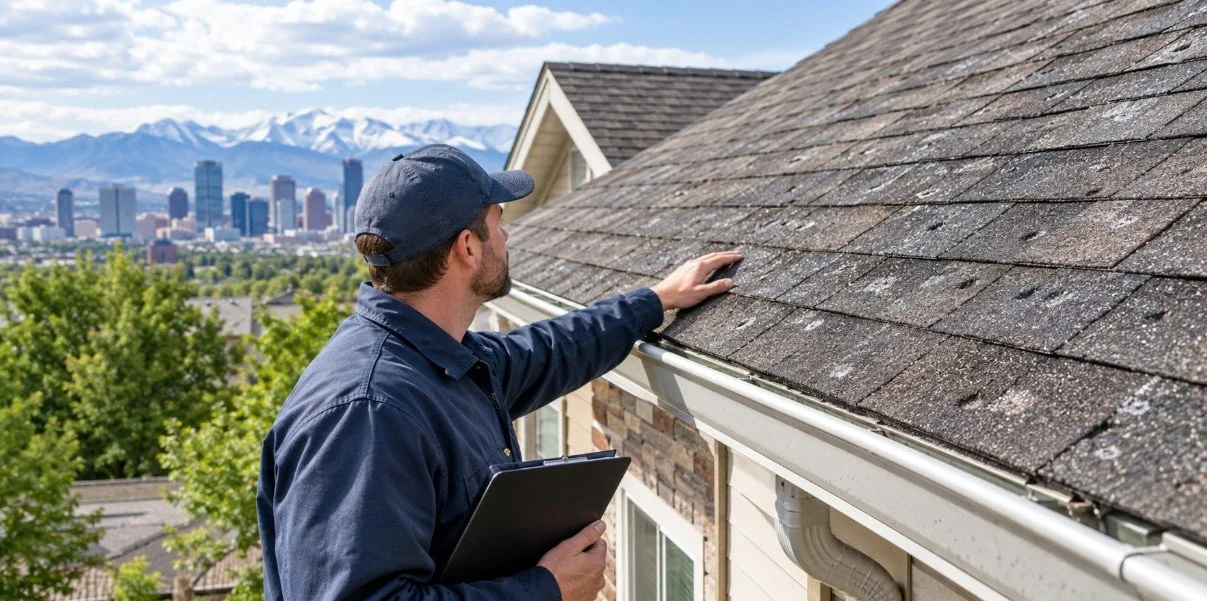
A hailstorm can leave your roof looking almost unchanged from the ground. Shingles may still appear flat, gutters may seem fine, and there may be no obvious leak inside the home. Yet small impacts can affect roofing materials in ways that are easy to overlook during a quick visual check.
For Denver homeowners, knowing what to look for after hail can help identify problems before they become more noticeable. Energy Advantage Roofing & Solar helps homeowners understand the condition of their roofing systems after severe weather and identify areas that may need closer attention.
A proper post-hail roof check should go beyond missing shingles or visible holes. It should also consider granule loss, flashing, vents, gutters, roof edges, and possible signs of moisture in the attic. Documenting visible damage and arranging a professional inspection can provide a clearer picture of the roof's condition before deciding what steps may be necessary.
The goal is not to assume that every roof has storm damage. Instead, a careful inspection can help distinguish between normal aging, existing wear, and potential damage associated with a recent hailstorm.
What A Quick Roof Check Can Miss
A quick look from the driveway can tell you whether something appears obviously wrong, but it cannot reveal every type of hail impact. Some damage happens beneath the surface of the shingle or in areas that are difficult to see from the ground.
The Colorado Roofing Association notes that some storm damage is not visible from ground level and recommends checking components such as shingles, vents, flashing, gutters, and other areas around the roof system.
Hidden bruising: Hail can leave impact marks or bruising that are difficult to see without getting closer to the roofing material.
Granule loss: Loose granules can collect in gutters or near downspouts after a storm.
Metal damage: Vents, flashing, and other metal components can show dents even when shingles look normal.
Loose materials: Wind accompanying hail can loosen or shift roofing materials without completely removing them.
Small openings: Minor cracks or damaged seals may not produce an immediate interior leak.
The key point is simple: a roof does not need to look severely damaged to deserve a closer inspection.
The Shingles May Not Tell The Whole Story
Shingles are usually the first part homeowners inspect, but focusing only on them can leave other damage unnoticed. Hail can affect several parts of a roof system during the same storm.
An impact can remove protective granules, bruise the underlying material, or create cracks that are difficult to notice from a distance. Over time, damaged areas can become more vulnerable to sunlight, rain, temperature changes, and additional storms.
Look for irregular impact marks: Randomly distributed marks can deserve closer attention after a significant hail event.
Check for exposed material: Areas with noticeable granule loss may indicate that the protective surface has been affected.
Notice cracked shingles: Cracks, splits, or fractures can reduce the roof's ability to shed water properly.
Compare different roof sections: Hail does not always affect every slope or area in exactly the same way.
A professional inspection can help distinguish storm-related damage from normal aging, weather exposure, or existing deterioration. That distinction matters because not every worn or damaged shingle is necessarily the result of a recent hailstorm.
Roof Edges And Metal Components Deserve Attention
Homeowners often look at the large, visible sections of the roof and forget about the smaller components surrounding them. These areas can provide useful clues about what happened during a storm.
Metal surfaces can make hail impacts easier to notice because dents may remain visible after the storm has passed. Gutters and downspouts can also collect loose roofing granules, while flashing around roof transitions may show signs of impact or movement.
Inspect roof vents: Dents or impact marks around vents can indicate that hail reached the roof surface.
Check flashing: Flashing around roof transitions, walls, chimneys, and other structures should be examined for damage.
Look at gutters: Dents, scratches, or unusual granule accumulation can provide additional clues.
Examine downspouts: Granules collecting around downspout outlets can be worth documenting after a storm.
Notice damaged accessories: Roof components beyond shingles can also be affected during severe weather.
The Colorado Roofing Association specifically identifies dented gutters, vents, and flashing as potential signs of storm damage.
Hail Damage Can Appear Away From The Roof
A roof inspection should not necessarily stop at the roof itself. Hail can affect other exterior parts of a home, and those areas may help homeowners recognize that a storm had enough force to cause property damage.
Window screens, siding, outdoor equipment, gutters, and other exposed surfaces can show dents or impact marks. These signs do not automatically prove that the roof is damaged, but they can provide useful context when assessing what happened during the storm.
Check window screens: Small tears, holes, or impact marks can show where hail reached the property.
Inspect siding: Dents or chipped surfaces may indicate strong hail exposure.
Look at outdoor equipment: Air-conditioning units and other exposed equipment may show impact marks.
Photograph visible damage: Clear photographs can create a useful record of the property's condition after the storm.
This broader check can be especially useful when the roof itself appears normal from the ground.
The Attic Can Reveal Problems You Cannot See Outside
Not every roofing problem starts with an obvious exterior sign. The attic can sometimes provide clues that water has entered the roofing system or that a roof component is no longer performing as it should.
A homeowner may notice a water stain, damp insulation, darkened wood, or a musty smell after a major storm. These signs should not automatically be blamed on hail, but they are reasons to investigate further.
Look for water stains: Discoloration on attic surfaces can indicate previous or current moisture intrusion.
Check insulation: Wet or compressed insulation may suggest that water has entered the space.
Watch for damp wood: Moisture around roof decking can signal a potential leak.
Notice unusual odors: Persistent musty smells may indicate trapped moisture.
Check after rainfall: A roof issue may become easier to identify after another period of heavy rain.
If you discover active water intrusion, avoid climbing onto the roof yourself. A professional can determine where the moisture is entering and whether storm-related damage is involved.
Small Damage Can Become A Bigger Roofing Problem
One reason hail inspections matter is that damage does not always create an immediate leak. A compromised roofing surface can continue to be exposed to rain, snow, wind, and sunlight after the original storm has passed.
Colorado's roofing industry guidance notes that storm damage and normal aging can have different patterns. Storm damage is generally connected to a specific weather event, while normal deterioration develops gradually over time.
For homeowners considering residential roofing service, the goal should be to understand the actual condition of the roof before deciding what work may be necessary.
Document the condition early: Photos taken soon after the storm can create a clearer record of what was present.
Do not assume replacement is necessary: An inspection may reveal repairable damage rather than widespread deterioration.
Do not ignore minor signs: Small issues can become more serious when exposed to repeated weather.
Keep storm information: The date and approximate timing of the storm can be useful when documenting damage.
Use professional observations: A qualified inspection can provide information that a ground-level check cannot.
For additional information about how local weather can affect roofing materials over time, homeowners can also read How Colorado Weather Impacts The Life Of Your Roof.
What Homeowners Should Document After Hail
Good documentation can make it easier to understand what changed after a storm. It can also give you a useful record to discuss with your roofing professional and insurance company if needed.
You do not need to climb onto the roof to start documenting visible damage. In fact, ground-level photographs can be a safer first step while you wait for a professional assessment.
Photograph the roof from the ground: Capture different slopes and angles without putting yourself at risk.
Take pictures of gutters and vents: Visible dents can help document storm exposure.
Photograph exterior damage: Capture siding, screens, outdoor equipment, and other affected areas.
Record the storm date: Write down when the hail occurred while the information is fresh.
Save inspection photographs: Keep professional images and reports with your home records.
The Colorado Roofing Association recommends documenting storm damage and contacting both an insurer and roofing contractor when appropriate.
When A Professional Roof Inspection Makes Sense
A professional inspection can be useful when hail has recently affected your area, particularly when the roof looks fine but other parts of the property show signs of impact. The purpose is not to assume that damage exists. It is to determine the actual condition of the roof.
For roof repair in Denver, an inspection can help identify whether the roof has storm-related damage, normal wear, isolated problems, or a combination of conditions.
After significant hail: A closer inspection can identify damage that may not be visible from the driveway.
After finding granules: Unusual accumulation in gutters can justify a closer look.
After spotting dents: Damaged vents, flashing, and gutters can provide clues about hail exposure.
After discovering a leak: Interior moisture should be investigated rather than ignored.
Before deciding on major work: Understanding the roof's condition helps homeowners make informed next-step decisions.
A professional inspection should examine the roof as a system rather than focusing on one damaged-looking shingle. This can include roof slopes, flashing, vents, gutters, and other exposed components.
How To Avoid Making A Hail Inspection Mistake
After a major storm, homeowners may feel pressure to act quickly. However, rushing can make it harder to understand what actually happened to the roof.
A better approach is to document what you can safely see, avoid unnecessary roof access, and gather clear information before deciding what work should be performed.
Do not climb onto a damaged roof: Wet or unstable surfaces can create serious fall hazards.
Do not assume every defect is hail damage: Age, weathering, installation issues, and other conditions can look similar.
Do not ignore less-visible components: Flashing, vents, gutters, and roof edges can reveal important clues.
Do not rely only on a driveway inspection: Some damage requires closer professional assessment.
Do not automatically assume full replacement: The appropriate work depends on the actual extent and condition of the damage.
A careful inspection can separate what is visible from what needs further investigation.
What To Know Before Considering Repairs
Once an inspection identifies damage, the next question is usually what should happen next. The answer depends on the type, location, severity, and extent of the roof problem.
Some homeowners may need targeted residential roof repairs, while others may have more widespread storm-related damage that requires a different solution. An inspection should help clarify those differences.
Review the inspection findings: Make sure you understand what was identified and where it is located.
Ask about the affected components: Shingles are only one part of a complete roofing system.
Separate storm damage from existing wear: This helps create a more accurate picture of the roof's condition.
Discuss repair options: Ask what can reasonably be repaired and what may require additional work.
Keep your documentation: Store inspection reports, photographs, and relevant property records together.
Homeowners should also discuss insurance coverage directly with their insurance provider because coverage depends on the specific policy and circumstances. Roofing professionals can document observed conditions, but an insurer determines coverage under the applicable policy.
Look Beyond What You Can See From The Driveway
A Denver hailstorm can leave behind more than missing shingles or obvious holes. Small impacts, granule loss, damaged flashing, dented vents, gutter damage, and attic moisture can all be clues that deserve attention.
Energy Advantage Roofing & Solar can help homeowners better understand what they are seeing and what areas of the roof may need closer attention after severe weather. A careful inspection gives you clearer information before deciding on the next step.
If your roof has recently been exposed to hail, contact us today to discuss an inspection and learn more about the condition of your roofing system. Taking a closer look now can help you address potential problems before another round of severe weather puts additional stress on the roof.