
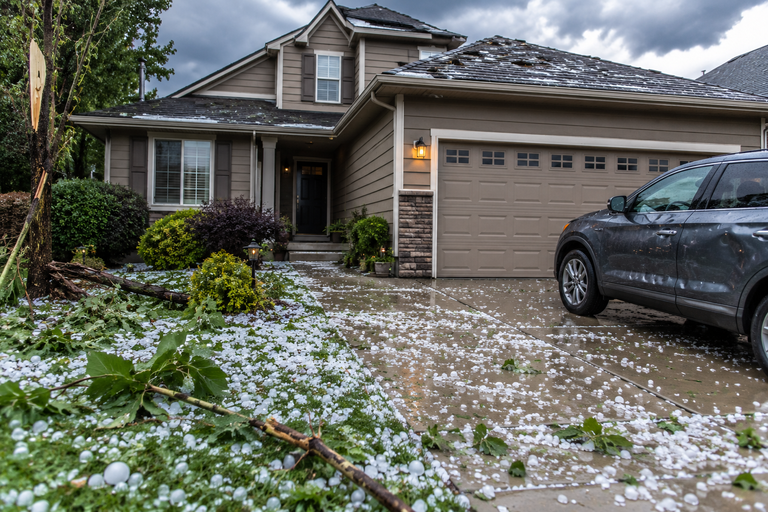
A severe hailstorm can leave homeowners feeling overwhelmed. From damaged roofing materials to broken windows and scattered debris, the hours immediately following the storm are critical. Taking the right actions can help reduce further damage, make insurance claims easier, and improve the chances of a smooth recovery.
If your property has recently been affected, Energy Advantage Roofing and Solar understands how stressful the situation can be. Acting carefully during the first 24 hours helps protect your family, your home, and your investment while preparing you for any necessary inspections or repairs.
Stay Safe Before Inspecting Anything
The first priority after a storm is everyone's safety. While it may be tempting to inspect your property immediately, hidden hazards could still be present. Loose power lines, slippery surfaces, broken glass, and unstable structures may create dangerous conditions.
The first few hours after a hailstorm are often the most unpredictable because damage may not be immediately visible. Remaining patient and waiting until conditions improve allows you to inspect your property without unnecessary risk. Even if the weather appears calm, lingering hazards can still exist around your home.
A careful approach during this stage helps prevent injuries while giving you enough time to plan your next steps. Once you are certain the area is safe, you can begin checking your property methodically instead of rushing through the process.
Wait until the storm has completely passed before going outdoors.
Watch for fallen electrical lines near your property.
Avoid walking on wet or unstable roofing surfaces.
Keep children and pets away from damaged areas.
Wear sturdy shoes while inspecting outdoor spaces.
Stay alert for broken tree branches that could fall unexpectedly.
Walk Around Your Property Carefully
Once conditions are safe, perform a slow visual inspection from ground level. You do not need to climb onto your roof or use ladders during the initial assessment. Many signs of damage can be identified without putting yourself at risk.
Walking around your property gives you a better understanding of which areas experienced the greatest impact. Start from the front of your home and continue around the entire exterior so nothing is overlooked. Taking your time allows you to notice details that might otherwise be missed.
This initial inspection is not meant to identify every issue. Instead, it provides a general overview that helps you prepare for a professional evaluation and any conversations with your insurance provider.
Look for dents on gutters and downspouts.
Check siding for cracks or impact marks.
Inspect fences for broken sections.
Notice damaged outdoor furniture or equipment.
Look for missing roofing materials from the ground.
Watch for shattered skylights or window damage.
Check driveways and walkways for storm debris.
Document Everything Before Cleaning Up
Before moving debris or making temporary fixes, take time to document the damage thoroughly. Clear records help support insurance claims and provide useful information for repair professionals.
Photos and videos captured immediately after the storm create a valuable record of your property's condition. They help establish what happened before cleanup begins and reduce confusion later in the claims process. Try to photograph every affected area from multiple angles for better clarity.
Keeping organized documentation also allows repair professionals to compare visible damage with their inspection findings. The more information you collect early, the easier it becomes to explain the situation and move through the recovery process with confidence.
Take wide photos of every side of your home.
Capture close-up images of damaged areas.
Record dents on gutters and exterior surfaces.
Photograph damaged landscaping.
Save pictures of fallen branches and debris.
Record the date and approximate time of the storm.
Keep all photos organized in one folder.
If you notice broken glass or visible damage around window frames, storm window repairs may become necessary after a complete inspection confirms the extent of the impact.
Prevent Additional Interior Damage
Storm damage does not always end when the hail stops falling. Small openings in the roof or exterior can allow water to enter the home, causing additional problems over the following hours.
Even minor leaks can quickly spread moisture into insulation, drywall, ceilings, and flooring if left unattended. Taking temporary precautions can reduce the chance of additional damage while you wait for a professional assessment. The goal is to protect your belongings without attempting permanent repairs yourself.
Keeping indoor spaces as dry as possible also helps reduce the risk of mold growth and structural deterioration. Acting promptly during the first day often prevents much larger issues from developing later.
Place buckets under active leaks.
Move furniture away from wet areas.
Cover valuables with waterproof materials.
Dry standing water as quickly as possible.
Increase ventilation if moisture enters the home.
Monitor ceilings for expanding water stains.
Avoid making permanent repairs yourself.
Check The Roof From Ground Level
Your roof absorbs the greatest impact during a hailstorm. Even if no leaks appear immediately, hidden damage may already exist beneath the surface.
Many forms of hail damage are not obvious to homeowners because they affect protective layers that cannot be seen from the ground. However, visible warning signs around the roofline often indicate that a closer inspection is needed. Looking carefully from a safe distance can help you identify areas of concern.
Avoid climbing onto your roof after severe weather, as surfaces may still be slippery or structurally weakened. A professional inspection is the safest way to determine whether repairs are necessary.
Look for missing shingles.
Watch for exposed roofing materials.
Check flashing around chimneys.
Inspect gutters for excessive granules.
Notice sagging roof sections.
Look for damaged roof vents.
Observe any visible dents from hail impact.
If significant damage is suspected, scheduling a professional roof repair in Denver evaluation can help identify issues before they become more serious.
Review Windows, Doors, And Exterior Openings
Strong hail can affect much more than your roof. Windows, doors, garage doors, skylights, and exterior trim are all exposed during a storm and can develop damage that is not immediately noticeable. Even small cracks or dents can allow moisture, drafts, or pests to enter your home over time.
Taking a closer look at these areas during the first 24 hours helps you identify problems before they become more expensive to address. Pay attention to both the inside and outside of your home, especially around frames and seals where damage often occurs.
A thorough inspection also helps you document all affected areas for your insurance claim. The more complete your records are, the easier it becomes to explain the full extent of the storm's impact.
Look for cracked or chipped window glass.
Check window frames for dents or impact marks.
Inspect weather stripping for gaps or tears.
Test exterior doors for smooth opening and closing.
Examine garage door panels for visible dents.
Look for chipped paint around trim and siding.
Watch for broken seals that may allow moisture inside.
Contact Your Insurance Provider Promptly
After documenting visible damage, your next step should be contacting your insurance provider. Reporting the incident early helps begin the claims process while the details of the storm are still fresh. Delaying communication could make the process more complicated if additional weather causes further damage.
Before making the call, gather your photos, videos, and notes so you can clearly explain what you observed. Having organized information allows the representative to understand your situation more quickly and accurately.
Remember that your insurance company may schedule an inspection before approving repairs. Continue documenting any changes to your property while waiting for their assessment.
Report the storm date accurately.
Explain the visible damage clearly.
Share photos if they are requested.
Keep copies of every email and document.
Write down your claim reference number.
Save receipts for temporary protection materials.
Follow the instructions provided by your representative.
Schedule A Professional Inspection
Not every type of hail damage can be identified with a visual inspection from the ground. Roofing systems contain several layers that may have hidden damage even when the exterior appears mostly intact. A professional inspection provides a much more complete evaluation.
Experienced inspectors know what signs to look for and can identify issues that homeowners may overlook. Their findings also help you understand whether repairs are necessary now or if continued monitoring is appropriate.
Having a detailed inspection report gives you valuable information for both insurance purposes and future maintenance planning.
Request a complete exterior inspection.
Ask for photographs of damaged areas.
Review the findings carefully.
Understand which repairs should be prioritized.
Discuss temporary protection if needed.
Keep a copy of the inspection report.
Compare the report with your insurance documentation.
Many homeowners choose trusted residential roof repair companies because experienced professionals can identify hidden storm damage that may not be visible during a basic inspection.
Avoid Common Mistakes After Severe Weather
The hours following a hailstorm can be stressful, making it easy to overlook important details or make rushed decisions. Knowing what to avoid is just as valuable as knowing what actions to take. A little patience can prevent unnecessary expenses and future complications.
Many homeowners unintentionally create problems by attempting risky repairs or disposing of damaged materials too quickly. Taking a careful and organized approach helps protect both your property and your insurance claim.
Staying informed during this stage allows you to focus on safe, practical decisions instead of reacting to the stress of the situation.
Do not climb onto the roof yourself.
Avoid throwing away damaged materials immediately.
Never ignore small water stains indoors.
Do not delay reporting obvious damage.
Avoid signing agreements without reading them carefully.
Be cautious of unexpected door-to-door repair offers.
Keep all repair and inspection documents together.
Prepare For Long Term Recovery
Although the first 24 hours are the most important, recovering from a hailstorm often continues for several weeks. Staying organized throughout the process helps reduce stress while ensuring that no important step is overlooked. A simple plan can make the entire recovery process much easier.
Continue monitoring your property after future rainstorms to ensure no hidden leaks develop. Small issues sometimes appear days or even weeks after the original storm, making regular observations worthwhile.
Maintaining detailed records also helps if additional inspections or insurance questions arise later during the repair process.
Create a checklist of necessary repairs.
Organize all insurance paperwork in one place.
Save inspection reports for future reference.
Monitor your home during the next rainfall.
Schedule approved repairs promptly.
Keep maintenance records updated.
Inspect repaired areas periodically.
Protect Your Home Today And Move Forward With Confidence
Recovering after a hailstorm begins with smart decisions made during the first 24 hours. Prioritizing safety, documenting damage, preventing additional issues, and arranging professional inspections all help protect your home while making the recovery process more manageable. Taking these steps early can reduce stress and help prevent minor damage from becoming larger problems in the future.
Contact us today to learn how experienced professionals can evaluate your property, answer your questions, and guide you through the next steps after severe weather. Whether your home has obvious storm damage or hidden issues that require a closer inspection, Energy Advantage Roofing and Solar is ready to help you protect your property with dependable service and professional guidance.