
Solar Leasing vs Buying vs PPA: A Complete Guide to Choosing Solar Options
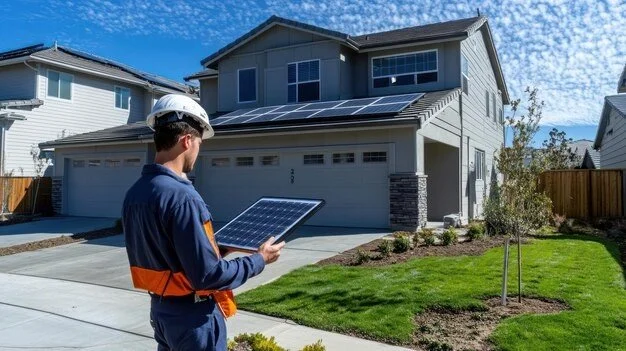
Solar energy has become one of the most popular renewable energy solutions for homeowners and businesses looking to reduce electricity bills and environmental impact. With rising utility costs and increased awareness of clean energy benefits, many property owners are considering solar panel systems. However, understanding how to pay for solar can be confusing due to multiple financing options available today.
Energy Advantage Roofing & Solar helps homeowners understand these choices and make informed decisions that align with their financial goals and energy needs.
This comprehensive guide explains solar leasing, buying, and power purchase agreements (PPAs), helping you choose the best option for your situation.
Understanding Solar Financing Options
Solar financing determines how you pay for your solar system and who owns it. These options are designed to make solar accessible to different budgets and preferences.
Each financing model affects your upfront cost, long-term savings, maintenance responsibilities, and eligibility for incentives. Understanding these differences is essential before committing to a solar system.
Common Solar Financing Methods
Purchasing solar panels outright with cash
Financing solar panels with a loan
Leasing solar panels from a provider
Entering a solar power purchase agreement (PPA)
Each option has unique advantages and disadvantages depending on your financial and lifestyle goals.
What Does It Mean to Buy Solar Panels?
Buying solar panels means you own the solar energy system installed on your property. Ownership gives you full control over energy production, savings, and incentives.
This option typically requires a higher upfront investment, but it offers the greatest long-term financial benefits and system control. Homeowners who plan to stay in their homes for many years often prefer this option.
Ways to Purchase Solar Panels
Paying cash for the system
Using a solar loan from a lender
Financing through home equity loans or lines of credit
Benefits of Buying Solar Panels
Full ownership of the solar system
Eligibility for federal, state, and local incentives
Maximum long-term savings on electricity bills
Increased property value and market appeal
No ongoing lease or energy purchase contracts
Potential Drawbacks of Buying Solar Panels
Higher upfront installation cost
Responsibility for system maintenance and repairs
Long-term financial commitment
Despite these drawbacks, buying solar panels is often considered the most financially rewarding option.
What Is Solar Panel Leasing?
Solar leasing allows homeowners to install solar panels without paying the full system cost upfront. Instead, you pay a fixed monthly fee to use the system while the provider owns it.
This option is appealing to homeowners who want predictable monthly payments and minimal maintenance responsibilities.
How Solar Leasing Works
A solar company installs and owns the system
You pay a monthly lease fee to use the system
The provider maintains and insures the panels
Advantages of Solar Leasing
Low or no upfront installation costs
Maintenance and monitoring included
Predictable monthly payments
Immediate reduction in electricity bills
Disadvantages of Solar Leasing
No ownership of the solar system
Limited access to tax credits and incentives
Lower long-term savings compared to ownership
Potential complications when selling your home
Solar leasing is best suited for homeowners who prioritize convenience and minimal upfront investment.
What Is a Solar Power Purchase Agreement (PPA)?
A solar power purchase agreement allows you to pay for the electricity generated by the solar system rather than leasing the equipment itself. The solar provider owns and maintains the system.
This option is designed for homeowners who want to avoid upfront costs while benefiting from lower electricity rates.
How a Solar PPA Works
Solar company installs and owns the system
You pay per kilowatt-hour (kWh) of electricity produced
Rates are typically lower than local utility rates
Contracts usually last 20–25 years
Advantages of Solar PPAs
No upfront installation costs
Immediate electricity savings
Maintenance and repairs handled by provider
Predictable energy pricing with scheduled escalations
Disadvantages of Solar PPAs
No ownership or equity in the system
Escalating energy rates over time
Potential challenges when selling the property
Limited access to incentives
PPAs are ideal for homeowners seeking immediate savings without capital investment.
Comparing Solar Leasing, Buying, and PPA Options
Choosing the right solar financing option requires comparing ownership, costs, savings, and responsibilities. Each option serves different financial goals and homeowner preferences.
Understanding these differences can help you determine which solar path aligns with your energy strategy.
Ownership Comparison
Buying: Homeowner owns the system
Leasing: Solar provider owns the system
PPA: Solar provider owns the system
Cost Comparison
Buying: High upfront cost, lowest long-term cost
Leasing: Low upfront cost, moderate long-term cost
PPA: No upfront cost, variable long-term cost
Savings Potential
Buying: Highest lifetime savings
Leasing: Moderate savings with predictable payments
PPA: Savings depend on energy production and rate escalators
The Role of Solar Panel Installation
Solar panel installation is a critical step that determines system performance, safety, and longevity. Professional installation ensures panels are positioned for maximum sunlight exposure and system efficiency.
Experienced solar power installers assess roof condition, design system layouts, and handle permits and inspections.
Key Steps in Solar Panel Installation
Roof inspection and structural evaluation
Energy usage analysis and system sizing
Permitting and utility approvals
Panel mounting and electrical connections
Final inspection and system activation
Proper solar panel installation ensures your system operates efficiently for decades.
Importance of Choosing Experienced Solar Power Installers
Selecting skilled solar power installers ensures your system is designed and installed to meet local regulations and performance standards. Qualified installers use high-quality materials and follow best practices for safety and efficiency.
Solar power installers in Colorado are known for their expertise in designing systems for diverse climates and roof structures.
What to Look for in Solar Installers
Industry certifications and licensing
Proven track record and customer reviews
Comprehensive warranties and service plans
Transparent pricing and financing options
Choosing the right installer protects your investment and ensures long-term reliability.
Understanding Solar Battery Installers and Storage Options
Solar batteries store excess electricity generated during the day for use at night or during outages. Energy storage systems increase independence and resilience.
Working with experienced solar battery installers ensures seamless integration with your solar system and electrical infrastructure.
Benefits of Solar Battery Storage
Backup power during grid outages
Reduced reliance on utility companies
Increased self-consumption of solar energy
Savings with time-of-use electricity rates
Enhanced energy security
Solar battery installers can recommend battery capacity based on your household energy consumption.
Financial Incentives and Tax Credits for Solar
Financial incentives significantly reduce the cost of solar systems and improve return on investment. These incentives vary by location and program availability.
Understanding available incentives helps homeowners maximize savings when purchasing solar systems.
Common Solar Incentives
Federal investment tax credits
State and local rebates
Net metering programs
Renewable energy certificates and performance incentives
Incentives are typically available only to system owners, making purchasing solar more financially advantageous.
How Solar Impacts Property Value
Solar panels can increase property value by reducing energy costs and improving energy efficiency. Homes with owned solar systems are often more attractive to buyers.
Leased systems may complicate property transactions, while owned systems typically add equity.
Factors That Influence Property Value
Ownership status of the solar system
System age and efficiency
Warranty coverage and performance guarantees
Local real estate market demand
Understanding these factors helps homeowners evaluate the resale impact of solar systems.
Maintenance and Warranty Considerations
Solar systems require minimal maintenance, but warranties protect your investment over the system’s lifespan. Maintenance responsibilities vary depending on ownership and financing model.
Reviewing warranty terms ensures you understand coverage and service expectations.
Maintenance Responsibilities
Buying: Homeowner responsible for maintenance
Leasing: Provider handles maintenance
PPA: Provider handles maintenance
Types of Solar Warranties
Equipment warranty for panels and inverters
Performance warranty guaranteeing energy output
Workmanship warranty covering installation quality
Warranties provide peace of mind and long-term protection.
Long-Term Savings and Return on Investment
Solar systems can generate significant savings over their lifespan. Return on investment depends on financing method, electricity rates, and system performance.
Buying solar systems typically offers the highest ROI, while leasing and PPAs provide convenience with lower financial returns.
Factors Affecting Solar ROI
Electricity price increases
System efficiency and degradation rate
Incentives and rebates
Financing terms and interest rates
Evaluating ROI helps homeowners choose the most cost-effective solar option.
Environmental Benefits of Solar Energy
Solar energy reduces dependence on fossil fuels and lowers greenhouse gas emissions. Installing solar panels contributes to cleaner air and a more sustainable energy future.
Switching to solar is an effective way to reduce your carbon footprint.
Environmental Advantages of Solar
Reduced greenhouse gas emissions
Lower air and water pollution
Renewable and sustainable energy source
Decreased reliance on non-renewable resources
Solar adoption plays a crucial role in global sustainability efforts.
Choosing the Right Solar Option for Your Needs
Selecting the best solar financing option depends on your budget, property plans, and energy goals. Homeowners planning long-term occupancy often benefit most from buying solar systems.
Those seeking minimal upfront costs may prefer leasing or PPAs.
Questions to Ask Before Choosing Solar
How long will you stay in your property?
Can you afford the upfront investment?
Do you want ownership and incentives?
Are you comfortable with long-term contracts?
How important is energy independence to you?
Answering these questions helps you select the right solar strategy.
Final Thoughts on Solar Financing Choices
Solar leasing, buying, and PPA options each offer unique benefits depending on financial goals, energy needs, and long-term plans. Buying solar panels provides the highest savings and ownership benefits, while leasing and PPAs offer convenience and lower upfront costs. Choosing experienced solar power installers, solar battery installers, and professional solar panel installation services ensures your system performs efficiently and safely for decades.
Energy Advantage Roofing & Solar supports homeowners and businesses with expert guidance and professional installation services, helping you maximize savings and achieve long-term energy independence. Contact us today to schedule a consultation and discover the best solar solution for your home or business.
Frequently Asked Questions
-
Buying solar panels usually offers the highest long-term savings and ownership benefits, while leasing provides lower upfront costs and maintenance-free convenience.
-
PPAs often include escalating rates, lack of ownership, and potential complications when selling a property.
-
The payback period typically ranges from 6 to 12 years depending on system cost, incentives, and electricity rates.
-
Owned solar systems generally increase home value, while leased systems may have limited impact on resale value.
-
Yes, but the buyer must agree to assume the lease, which can complicate the home sale process.