
What Solar Energy Opportunities Are Shaping Colorado’s Clean Energy Future?
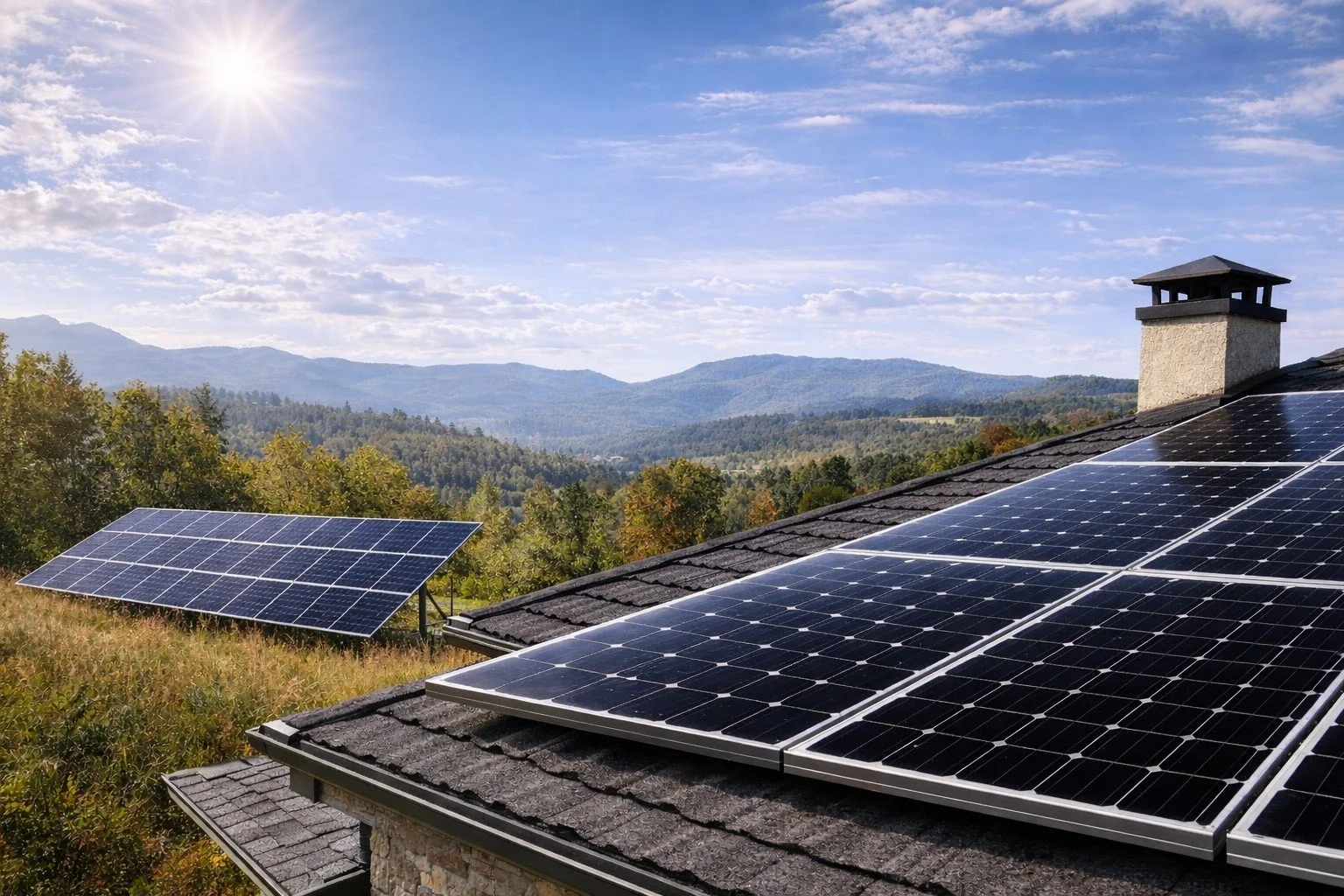
Colorado has quickly become one of the most promising states for solar energy adoption in the United States. With abundant sunshine, progressive renewable energy policies, and increasing consumer awareness, solar power is no longer a niche option it’s a mainstream energy solution. Homeowners and businesses alike are turning toward solar to reduce energy costs, increase property value, and minimize environmental impact. At Energy Advantage Roofing & Solar, solar solutions are helping Colorado residents take advantage of this rapidly expanding clean-energy landscape.
As electricity prices rise and sustainability becomes a priority, understanding solar energy opportunities in Colorado has never been more important. From installation benefits to long-term system maintenance, this guide explores everything homeowners need to know before investing in solar energy.
Why Is Colorado Considered One of the Best States for Solar Energy?
Colorado’s reputation as a solar-friendly state is built on a combination of geographic advantages and supportive energy policies. The state receives an impressive amount of sunlight year-round, making it ideal for consistent solar power generation. Many homeowners are surprised to learn that Colorado ranks among the top states for solar potential despite its colder winters.
In addition to climate benefits, Colorado has embraced renewable energy through legislation, utility programs, and public initiatives. These efforts make solar energy not only environmentally responsible but also financially practical for homeowners.
High solar irradiance levels
Strong state renewable energy goals
Supportive utility net-metering policies
Growing public interest in clean energy
Long-term cost savings potential
What Types of Solar Energy Systems Are Available in Colorado?
Solar technology has evolved significantly, offering homeowners multiple system options to meet different needs and budgets. Colorado residents can choose from systems designed for grid connection, energy independence, or backup power during outages. Each option serves a specific purpose depending on location, energy usage, and lifestyle.
Understanding these system types helps homeowners select a solution that aligns with both short-term energy goals and long-term sustainability plans.
Grid-tied solar systems
Off-grid solar solutions
Hybrid systems with battery storage
Rooftop solar installations
Ground-mounted solar arrays
How Do Solar Incentives and Tax Credits Benefit Colorado Homeowners?
While the federal Investment Tax Credit (ITC) has expired and is no longer available to homeowners, Colorado residents can still benefit from several state and utility-based programs that support solar adoption.
These programs help reduce long-term costs and improve return on investment, even without a federal tax credit.
Net-metering programs that credit excess energy production
Utility-sponsored rebate and performance programs
Reduced monthly electricity bills
Faster system payback through energy savings
Improved long-term return on investment
What Is the Process for Installing Solar Panels in Colorado?
Installing solar panels is a structured process designed to ensure safety, efficiency, and regulatory compliance. It begins with a detailed assessment of your property to determine solar viability, roof condition, and optimal system design. This planning stage is critical for maximizing energy output.
Once approved, installation typically proceeds quickly, followed by inspections and utility approval before the system becomes operational.
Energy usage assessment
System design and permitting
Panel and inverter installation
Inspection and grid connection
System activation and monitoring
Why Is Solar System Maintenance Important Over Time?
Although solar systems are low maintenance, they are not maintenance-free. Over time, dust, debris, weather exposure, and electrical fluctuations can affect overall performance. Ongoing service and maintenance programs help ensure systems continue operating at peak efficiency and remain reliable long term.
Professional solar maintenance and service programs address performance inconsistencies, verify system health, and ensure accurate energy tracking after disruptions or changes to the system.
These programs typically include:
Periodic system inspections
Monitoring energy output and performance trends
Cleaning panels when needed
Addressing wiring or inverter issues
Verifying accurate energy tracking and system communication
When Is Solar Service or Maintenance Needed?
Solar systems rely on inverters, electrical components, and monitoring software to function correctly. Certain events or conditions can impact performance or reporting accuracy, making professional service and maintenance necessary.
Routine or as-needed maintenance is especially important after electrical interruptions, equipment changes, or property work to ensure energy production remains consistent and system components are functioning properly.
Common situations that may require service include:
Power outages or electrical disturbances
Inverter repair or replacement
Roof maintenance or construction projects
Unexpected performance drops
System upgrades or modifications
What Are Detach and Reset Solar Services Used For?
Roof repairs or replacements often require temporary removal of solar panels. Detach and reset solar services ensure panels are safely detached, stored, and reinstalled without damaging equipment or roofing materials.
This process protects warranties and ensures the solar system operates efficiently once reconnected.
Protecting solar equipment during roofing
Ensuring correct reinstallation
Maintaining warranty compliance
Preventing performance loss
Supporting long-term system health
How Does Solar Energy Improve Home Value in Colorado?
Solar-equipped homes are increasingly attractive to buyers seeking lower energy costs and sustainable living options. In Colorado’s competitive real estate market, solar energy often acts as a value-adding feature rather than an optional upgrade.
Buyers recognize long-term utility savings and environmental benefits, making solar homes more desirable.
Increased resale appeal
Lower ongoing energy expenses
Modern, eco-friendly perception
Reduced carbon footprint
Long-term investment benefits
How Does Solar Energy Support Environmental Sustainability?
Solar energy plays a critical role in reducing greenhouse gas emissions and limiting dependence on fossil fuels. Each solar installation contributes to cleaner air and a more resilient energy grid.
Colorado’s environmental initiatives align closely with solar adoption, reinforcing the state’s commitment to sustainability.
Reduced carbon emissions
Lower dependence on fossil fuels
Improved air quality
Conservation of natural resources
Support for clean-energy goals
What Should Homeowners Consider Before Going Solar?
Before switching to solar, homeowners should evaluate practical factors that affect system performance and longevity. Roof condition, shading, and energy consumption patterns all influence system design and output.
A professional evaluation ensures the system matches the home’s unique characteristics and future energy needs.
Roof age and structure
Sun exposure and shading
Energy consumption patterns
Budget and financing options
Long-term energy goals
How Does Colorado’s Climate Impact Solar Performance?
Despite cold winters, Colorado’s climate is well-suited for solar energy production. Solar panels operate efficiently in cooler temperatures, and snow often slides off panels naturally.
The state’s high altitude also increases solar exposure, enhancing overall system performance.
High solar irradiance
Efficient cold-weather performance
Natural snow shedding
Low humidity conditions
Year-round energy production
Are Solar Energy Opportunities in Colorado Worth Exploring Now?
Solar energy remains one of the most practical and rewarding investments for Colorado homeowners. Even without the federal ITC, strong sunlight, utility programs, and long-term energy savings continue to make solar a smart choice. From installation to ongoing maintenance and reset services, understanding your options ensures optimal performance and peace of mind. At Energy Advantage Roofing & Solar, homeowners are supported with reliable solutions tailored to Colorado’s unique climate and energy goals. If you’re ready to explore solar opportunities or need expert assistance with maintenance and reset services, contact us today to take the next step toward clean, efficient energy for your home.
Frequently Asked Questions
-
Yes, Colorado’s abundant sunshine and renewable energy incentives make it one of the most favorable states for solar adoption.
-
Most solar panels last 25–30 years and often continue producing energy beyond their warranty period.
-
Yes, solar panels perform well in winter, especially during sunny conditions common in Colorado.
-
Solar systems require minimal maintenance, with inspections and occasional reset services when needed.
-
Yes, homes with solar systems often sell faster and at higher prices than non-solar homes.