
Mounting Solar Panels on a Metal Roof Without Drilling: A Complete Guide
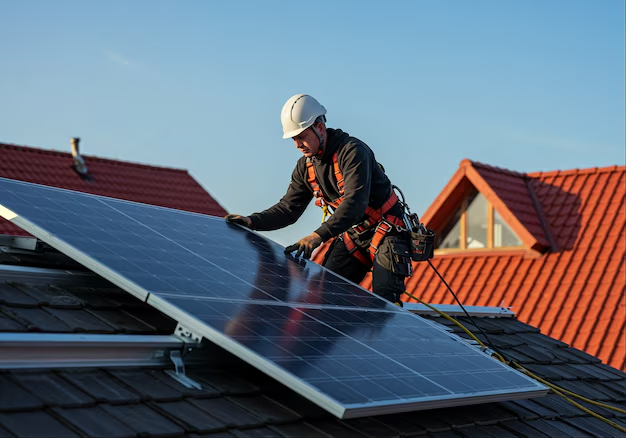
Installing solar energy systems is one of the most effective ways to improve energy efficiency and reduce long-term utility costs. However, many homeowners and property owners hesitate to move forward because they worry about drilling holes into their roofs. This concern is especially common among those with metal roofing systems who want to preserve the roof's durability and weather resistance.
Fortunately, modern mounting technologies have made it possible to install solar panels without penetrating many types of metal roofs. At Energy Advantage Roofing & Solar, we frequently help property owners understand the available mounting options and determine which approach is best suited for their roof type and energy goals.
In this guide, you'll learn how non-penetrating solar mounting systems work, which metal roofs are compatible, the benefits of avoiding roof penetrations, and important considerations before installation.
Why Homeowners Prefer No-Drill Solar Installations
Many property owners invest in metal roofing because of its durability, longevity, and weather resistance. The last thing they want is to compromise those benefits by creating unnecessary roof penetrations.
No-drill solar installations have become increasingly popular because they allow homeowners to take advantage of solar energy while maintaining the integrity of their roofing system. Modern mounting solutions are specifically engineered to provide secure attachment points without creating holes that may increase maintenance concerns over time.
For many homeowners, preserving roof performance is just as important as generating renewable energy.
Key advantages include:
Preserves roof waterproofing
Reduces leak concerns
Maintains roof appearance
Minimizes installation impact
Supports long-term roof performance
These benefits make non-penetrating systems an attractive option for many metal roof owners.
Understanding Different Metal Roof Types
Before selecting a mounting system, it is important to understand the type of metal roof you have. Not all metal roofs are designed the same way, and installation methods can vary significantly depending on the roof profile.
Some roofs feature raised seams, while others use exposed fasteners or flat-panel designs. The structure of the roof often determines which mounting solutions are appropriate.
A professional assessment can help identify the most effective installation approach.
Common metal roof types include:
Standing seam metal roofs
Corrugated metal roofs
Ribbed metal roofs
Trapezoidal panel roofs
Flat metal roofing systems
Knowing your roof type is the first step toward selecting a compatible solar mounting solution.
Why Standing Seam Roofs Are Ideal for Solar Systems
Standing seam metal roofs are often considered the best option for non-penetrating solar installations. Their raised vertical seams provide convenient attachment points for specialized mounting hardware.
These systems allow installers to secure solar equipment without drilling through roofing panels. Instead, engineered clamps attach directly to the standing seams while maintaining the roof's protective barrier.
This design simplifies installation and helps preserve roof integrity.
Benefits of standing seam installations include:
No roof penetrations required
Strong mounting support
Simplified installation process
Excellent weather protection
Long-term durability
Standing seam systems are often the preferred choice for no-drill solar projects.
How Solar Installers In Denver Approach Metal Roof Installations
Every region presents unique environmental conditions that influence solar system design. Solar installers in Denver often evaluate factors such as snow loads, seasonal weather patterns, roof orientation, and local building requirements before recommending a mounting solution.
Proper planning ensures that the solar system performs efficiently while maintaining structural integrity.
Experienced professionals understand how environmental conditions affect mounting requirements and system performance.
Important evaluation factors include:
Roof condition assessment
Structural considerations
Local weather exposure
Energy production goals
Long-term maintenance planning
Careful planning helps maximize both safety and system efficiency.
Mounting Systems That Avoid Roof Penetrations
Modern solar mounting technology provides several options for securing solar panels without drilling into the roof surface. These systems are specifically designed to maintain waterproofing while providing reliable structural support.
The most common approach involves specialized seam clamps that securely grip roof seams without damaging the roofing material.
Other systems may use engineered attachment methods depending on roof design.
Popular mounting approaches include:
Non-penetrating seam clamps
Rail-mounted clamp systems
Direct-attach mounting solutions
Engineered fastening assemblies
Roof-specific mounting designs
Choosing the right hardware is essential for long-term system reliability.
Options for Corrugated and Ribbed Metal Roofs
Corrugated and exposed-fastener metal roofs require a different approach than standing seam systems. While installation may be more complex, there are still methods available that minimize additional roof penetrations.
Some mounting systems utilize specially engineered brackets and bonding technologies designed for these roof profiles.
The specific solution depends on roof construction, age, and structural design.
Considerations include:
Roof panel design
Existing attachment points
Structural support requirements
Weather exposure conditions
Manufacturer recommendations
A detailed roof evaluation helps determine the most suitable installation method.
Why roofing and solar service Expertise Matters
Solar installations involve both roofing and electrical considerations. This is why working with professionals who understand both disciplines can provide significant advantages.
Roofing and solar service expertise helps ensure that the installation protects roof performance while maximizing energy production.
A coordinated approach reduces the likelihood of installation mistakes and future maintenance concerns.
Professional benefits include:
Comprehensive roof evaluation
Proper mounting selection
Structural assessment support
Improved installation quality
Long-term system reliability
Integrated expertise helps create a smoother installation experience.
Ballasted Systems for Flat Metal Roofs
Flat metal roofs present unique opportunities for solar installations. In some cases, ballasted mounting systems can eliminate the need for roof penetrations entirely.
These systems rely on engineered weight distribution rather than direct attachment to hold solar arrays in place. However, structural capacity must be evaluated carefully before implementation.
Proper engineering plays a critical role in system safety.
Advantages of ballasted systems include:
Minimal roof impact
Reduced installation complexity
Flexible system placement
Simplified future adjustments
Preservation of roof surface
Structural analysis remains essential before selecting this option.
How solar panel installers Address Wind and Weather Challenges
Wind resistance is one of the most important considerations for any solar installation. Non-penetrating mounting systems must be engineered to withstand local weather conditions while maintaining secure attachment.
Solar panel installers carefully evaluate wind loads, roof exposure, and system design requirements before finalizing installation plans.
Proper engineering helps protect both the solar system and the roofing structure.
Weather-related considerations include:
Wind uplift forces
Snow accumulation
Seasonal temperature changes
Storm exposure risks
Long-term environmental conditions
Engineering and proper installation practices help ensure system stability.
Preventing Corrosion and Material Compatibility Issues
Metal roofs and solar mounting hardware must work together without creating long-term material compatibility problems. Certain metal combinations can contribute to corrosion if not properly addressed.
Installers carefully evaluate mounting materials to ensure compatibility with the roof structure.
Selecting appropriate components helps extend the lifespan of both the roof and solar system.
Important factors include:
Material compatibility
Corrosion prevention
Environmental exposure
Protective coatings
Long-term durability
Attention to detail during installation helps reduce future maintenance concerns.
How a roof and solar company Simplifies the Process
Many homeowners prefer working with a roof and solar company because it provides a more streamlined project experience. Instead of coordinating multiple contractors, property owners can often work with one team throughout the process.
This approach improves communication, project coordination, and overall efficiency.
A single point of contact can simplify decision-making and project management.
Advantages include:
Better project coordination
Improved communication
Consistent quality standards
Simplified scheduling
More efficient installation process
Integrated services often lead to smoother project outcomes.
Helpful Resource for Homeowners
Before selecting any roofing or solar contractor, it is important to ask the right questions. To help you make an informed decision, read Top Questions to Ask Before Hiring a Roofing Contractor. This guide provides valuable insights that can help homeowners evaluate contractors and make confident decisions.
Looking Ahead: Protect Your Roof While Powering Your Home
Installing solar panels on a metal roof without drilling is not only possible, but often one of the most effective ways to preserve roof integrity while benefiting from renewable energy. Modern mounting systems provide secure attachment options that minimize roof impact, reduce maintenance concerns, and support long-term performance.
At Energy Advantage Roofing & Solar, we believe every homeowner deserves a solution that balances energy efficiency with roof protection. Whether you have a standing seam roof, a corrugated metal system, or a flat metal roof, there are mounting options available that can help you achieve your solar goals without unnecessary roof penetrations. If you're considering solar energy for your property, contact us today to discuss your options and discover the best approach for your roofing system and energy needs.