
Which Roofing Material Is Better: Asphalt Shingles or Stone-Coated Steel?
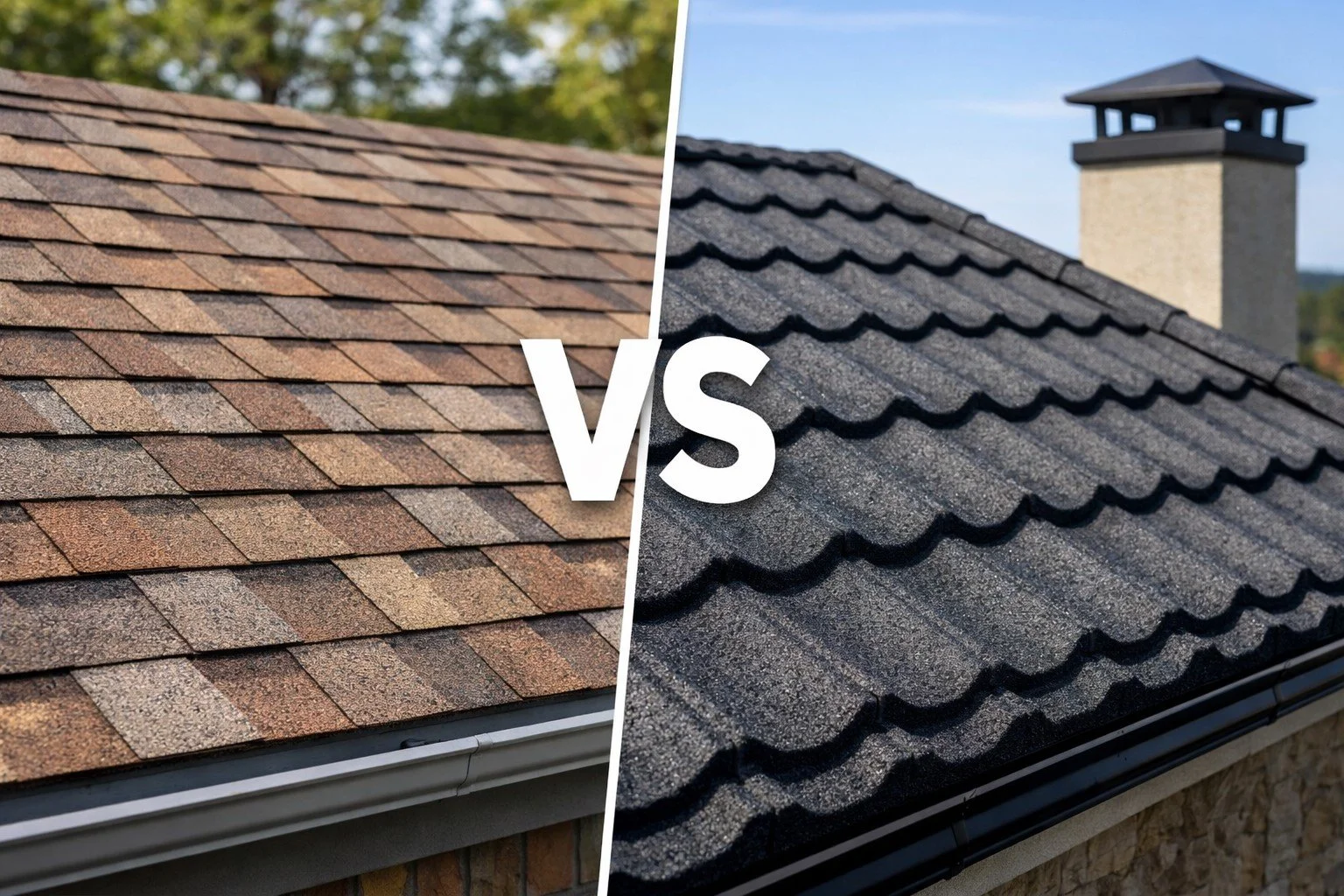
Choosing the right roofing material is one of the most important decisions a homeowner can make. Your roof protects your home from weather extremes, contributes to energy efficiency, and plays a major role in curb appeal. With modern roofing technology evolving rapidly, homeowners are no longer limited to traditional choices. Asphalt shingles and stone-coated steel roofs have emerged as two of the most popular residential roofing options today. At Energy Advantage Roofing & Solar, homeowners are increasingly comparing these materials to determine which offers the best balance of durability, performance, and long-term value.
As sustainability, energy efficiency, and extreme weather resistance become trending priorities across the U.S., understanding the strengths and limitations of each roofing option is essential. This guide breaks down the key differences between asphalt shingles and stone-coated steel roofing to help you make an informed, future-ready decision.
What Are Asphalt Shingles and Why Are They So Popular?
Asphalt shingles have been the most widely used roofing material in North America for decades. Their affordability, ease of installation, and availability make them a go-to choice for many homeowners.
Made from fiberglass or organic mats coated with asphalt and mineral granules, asphalt shingles are designed to shed water and protect homes from basic weather conditions. They come in a wide range of colors and styles, allowing homeowners to match their roof to architectural preferences.
Key characteristics include:
Budget-friendly upfront cost
Easy and quick installation
Widely available materials
Variety of colors and textures
Suitable for most residential roofs
What Is Stone-Coated Steel Roofing and Why Is It Trending?
Stone-coated steel roofing is a modern roofing solution combining the strength of steel with the aesthetic appeal of traditional roofing materials. Steel panels are coated with stone granules and sealed to create a durable, weather-resistant surface.
This roofing type has gained popularity due to its longevity, energy efficiency, and ability to withstand extreme weather. Many homeowners seeking steel roofs for homes are drawn to its premium look and long-term performance.
Notable features include:
High-strength steel core
Stone granule coating for durability
Lightweight yet extremely strong
Fire and impact resistance
Long lifespan compared to traditional roofs
How Do Asphalt Shingles and Steel Roofs Compare in Durability?
Durability is a critical factor when choosing roofing materials, especially in regions prone to storms, hail, or heavy snowfall. Asphalt shingles offer reasonable protection but have a shorter lifespan.
Stone-coated steel roofs, on the other hand, are engineered for extreme durability. They resist cracking, warping, and impact damage far better than asphalt shingles, making them ideal for harsh climates.
Durability comparison:
Asphalt shingles last 15–30 years
Steel roofs can last 40–70 years
Better resistance to hail and wind with steel
Lower risk of cracking or lifting
Reduced long-term maintenance needs
Which Roofing Option Performs Better in Extreme Weather?
Weather resistance is becoming more important as climate patterns shift. High winds, hailstorms, and temperature fluctuations can quickly degrade lower-quality roofing materials.
Stone-coated steel roofing excels in extreme weather due to its interlocking panels and impact-resistant design. Asphalt shingles can be vulnerable to tearing, granule loss, and wind uplift over time.
Weather performance highlights:
Steel roofs withstand high wind speeds
Superior hail and impact resistance
Asphalt shingles may deteriorate faster
Better snow shedding with steel
Improved storm resilience overall
How Do These Roofing Materials Affect Energy Efficiency?
Energy efficiency is a growing concern for homeowners looking to reduce utility bills and environmental impact. Roofing materials play a significant role in heat absorption and insulation.
Stone-coated steel roofs reflect solar heat more effectively than asphalt shingles, helping keep homes cooler in summer. This advantage pairs well with renewable energy systems like solar shingles installation for homeowners focused on efficiency.
Energy efficiency benefits:
Steel roofs reflect radiant heat
Lower cooling costs in warm months
Asphalt absorbs more heat
Steel complements solar roofing systems
Improved indoor comfort year-round
Are Asphalt Shingles or Steel Roofs Better for Solar Integration?
With solar adoption on the rise, roofing compatibility with solar technology is a key consideration. Many homeowners planning solar installation in Colorado evaluate roofing materials based on long-term solar performance.
Steel roofs provide a stable, long-lasting base for solar systems, often reducing the need for roof replacement during the life of the panels. Asphalt shingles may require replacement before solar systems reach the end of their lifespan.
Solar compatibility comparison:
Steel roofs last longer than solar panels
Fewer roof penetrations with steel
Reduced maintenance during solar lifespan
Asphalt may require early replacement
Better ROI with steel and solar combined
How Do Installation Costs Compare Between the Two Options?
Upfront cost is often the deciding factor for homeowners. Asphalt shingles are significantly cheaper to install initially, making them attractive for budget-conscious projects.
Stone-coated steel roofing has a higher upfront cost due to materials and specialized installation. However, long-term savings from durability, energy efficiency, and reduced maintenance often offset the initial investment.
Cost considerations:
Asphalt shingles have lower upfront cost
Steel roofs cost more initially
Fewer replacements over time with steel
Long-term savings favor steel
Value increases with durability
What Maintenance Do Asphalt and Steel Roofs Require?
Maintenance impacts both cost and convenience over the life of a roof. Asphalt shingles require regular inspections for damaged or missing shingles and granule loss.
Stone-coated steel roofs require minimal maintenance due to their durability and resistance to mold, insects, and rot. This makes them ideal for homeowners seeking low-maintenance roofing solutions.
Maintenance comparison:
Asphalt requires periodic repairs
Steel resists cracking and decay
Lower long-term maintenance costs
Less frequent inspections needed
Better performance with minimal upkeep
How Do These Roofing Materials Impact Home Value?
Roofing choices can significantly affect resale value and buyer appeal. Modern buyers are increasingly drawn to durable, energy-efficient features.
Stone-coated steel roofs often increase home value due to longevity and premium appearance. Asphalt shingles may be viewed as standard or temporary solutions by comparison.
Home value impact:
Steel roofs appeal to long-term buyers
Increased durability adds resale value
Asphalt is considered entry-level roofing
Steel enhances curb appeal
Energy efficiency attracts modern buyers
Which Roofing Option Is More Environmentally Friendly?
Sustainability is a trending topic in residential construction. Asphalt shingles contribute to landfill waste due to frequent replacements.
Steel roofs are recyclable and require fewer replacements, making them a more eco-friendly choice. Their energy efficiency further reduces environmental impact.
Environmental factors:
Steel is 100% recyclable
Fewer replacements reduce waste
Asphalt contributes to landfills
Steel supports sustainable building goals
Lower carbon footprint over time
How Do Roofing Choices Affect Residential Roofing Services?
Choosing the right roofing material also affects the type and frequency of residential roofing service required. Asphalt roofs may need more frequent repairs and inspections.
Steel roofs reduce service needs due to their durability and resistance to damage, saving homeowners time and money on maintenance calls.
Service considerations:
Asphalt needs ongoing service
Steel requires minimal servicing
Fewer emergency repairs with steel
Long-term reliability
Reduced ownership stress
Which Roofing Material Is the Smartest Long-Term Choice?
Selecting the right roofing material is about balancing cost, durability, energy efficiency, and future planning. Asphalt shingles remain a popular choice for affordability and simplicity, while stone-coated steel roofing stands out for longevity, performance, and sustainability. As homeowners prioritize resilience and energy efficiency, steel roofing continues to gain momentum across the U.S. At Energy Advantage Roofing & Solar, homeowners are guided toward roofing solutions that align with both immediate needs and long-term goals.
If you’re considering upgrading your roof or exploring solar-ready options, now is the perfect time to evaluate your choices. Contact us today to learn more about roofing solutions designed to protect your home and maximize long-term value.
Frequently Asked Questions
-
Stone-coated steel roofs last significantly longer, often 40–70 years, while asphalt shingles typically last 15–30 years.
-
Modern stone-coated steel roofs include insulation and coatings that minimize noise, making them comparable to asphalt shingles.
-
Yes, steel roofs often increase resale value due to durability, energy efficiency, and long lifespan.
-
Yes, asphalt shingles are cost-effective and suitable for many homes, especially when budget is a priority.
-
Yes, steel roofs are ideal for solar systems and often last longer than the solar panels themselves.